












Indications
Clomiphene citrate is indicated for the treatment of ovulatory dysfunction in women desiring pregnancy. Impediments to achieving pregnancy must be excluded or adequately treated before beginning clomiphene citrate therapy. Those patients most likely to achieve success with clomiphene therapy include patients with polycystic ovary syndrome (see WARNINGS: Ovarian Hyperstimulation Syndrome), amenorrhea-galactorrhea syndrome, psychogenic amenorrhea, post-oral-contraceptive amenorrhea, and certain cases of secondary amenorrhea of undetermined etiology.
Properly timed coitus in relationship to ovulation is important. A basal body temperature graph or other appropriate tests may help the patient and her physician determine if ovulation occurred. Once ovulation has been established, each course of clomiphene citrate should be started on or about the 5th day of the cycle. Long-term cyclic therapy is not recommended beyond a total of about six cycles (including three ovulatory cycles).
Clomiphene citrate is indicated only in patients with demonstrated ovulatory dysfunction who meet the conditions described below:
- Patients who are not pregnant.
- Patients without ovarian cysts. Clomiphene citrate should not be used in patients with ovarian enlargement except those with polycystic ovary syndrome. Pelvic examination is necessary prior to the first and each subsequent course of clomiphene citrate treatment.
- Patients without abnormal vaginal bleeding. If abnormal vaginal bleeding is present, the patient should be carefully evaluated to ensure that neoplastic lesions are not present.
- Patients with normal liver function.
Contraindications
Known hypersensitivity to any of the active substance or excipients.
Dosage and administration
Treatment of the selected patient should begin with a low dose, 50 mg daily (1 tablet) for 5 days. The dose should be increased only in those patients who do not ovulate in response to cyclic 50 mg clomiphene citrate. A low dosage or duration of treatment course is particularly recommended if unusual sensitivity to pituitary gonadotropin is suspected, such as in patients with polycystic ovary syndrome.
The patient should be evaluated carefully to exclude pregnancy, ovarian enlargement, or ovarian cyst formation between each treatment cycle.
If progestin-induced bleeding is planned, or if spontaneous uterine bleeding occurs prior to therapy, the regimen of 50 mg daily for 5 days should be started on or about the 5th day of the cycle. Therapy may be started at any time in the patient who has had no recent uterine bleeding. When ovulation occurs at this dosage, there is no advantage to increasing the dose in subsequent cycles of treatment.
If ovulation does not appear to occur after the first course of therapy, a second course of 100 mg daily (two 50 mg tablets given as a single daily dose) for 5 days should be given. This course may be started as early as 30 days after the previous one after precautions are taken to exclude the presence of pregnancy. Increasing the dosage or duration of therapy beyond 100 mg/day for 5 days is not recommended.
The majority of patients who are going to ovulate will do so after the first course of therapy. If ovulation does not occur after three courses of therapy, further treatment with clomiphene citrate is not recommended and the patient should be reevaluated. If three ovulatory responses occur, but pregnancy has not been achieved, further treatment is not recommended. If menses does not occur after an ovulatory response, the patient should be reevaluated. Long-term cyclic therapy is not recommended beyond a total of about six cycles.
Precaution
Careful attention should be given to the selection of candidates for clomiphene citrate therapy. Pelvic examination is necessary prior to clomiphene citrate treatment and before each subsequent course.
Storage
Store at temperature below 30°C, protect from light.
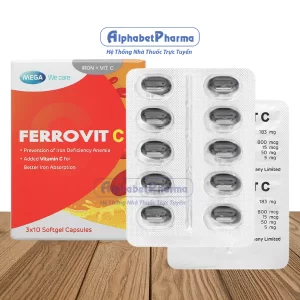
Ferrovit C (3 blisters x 10 capsules/box)

Ginseng cream Thorakao (7g)

Trinh nữ Hoàng Cung Cali Usa (50 capsules/box)
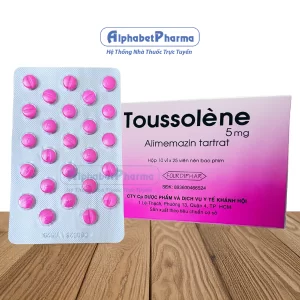
Toussolene 5mg (10 blisters x 25 tablets/box)
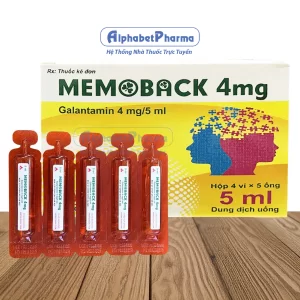
Memoback 4mg/5ml (4 blisters x 5 ampoules/box)
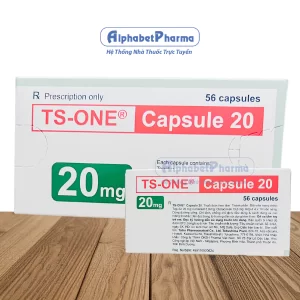
TS-One Capsule 20mg (56 capsules/box)
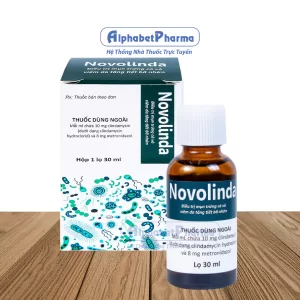
Novolinda (30ml)

Hirudoid Forte (14g)
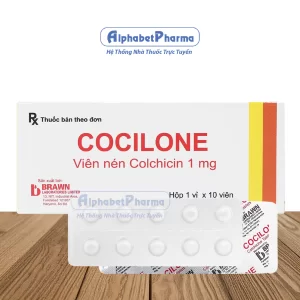
Cocilone 1mg (10 blisters x 10 tablets/box)
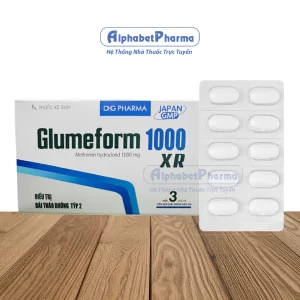
Glumeform 1000mg XR DHG (3 blisters x 10 tablets/box)

Hati-tux syrup 5ml (20 sachets/box)
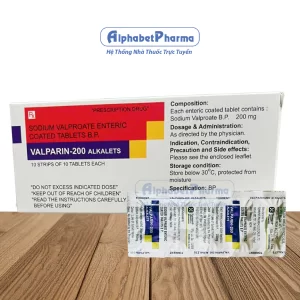
Valparin-200 (10 blisters x 10 tablets/box)
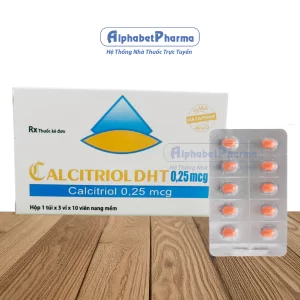
Calcitriol DHT (3 blisters x 10 softgels/box)
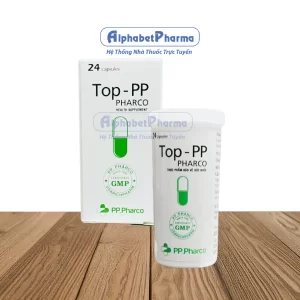
Top-PP Pharco (24 capsules/box)
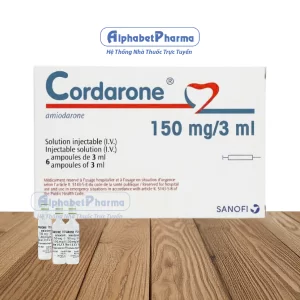
Cordarone 150mg/3ml (6 ampoules/box)

Teldy (30 tablets/box)
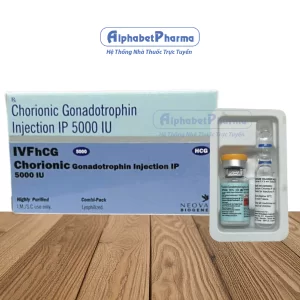
IVFhCG Chorionic Gonadotrophin Injection IP 5000IU (1 vial/box)

Japiane 25mg (3 blisters x 10 tablets/box)
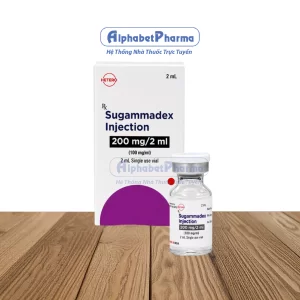
Sugammadex Injection 200mg/2ml (1 vial/box)
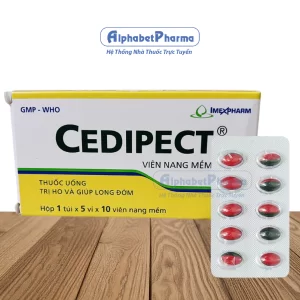
Cedipect IMP (5 blisters x 10 soft capsules/box)
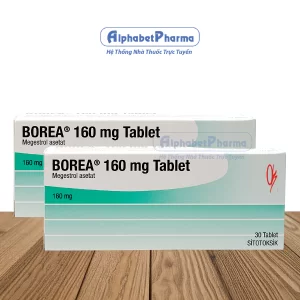
Borea 160mg (3 blisters x 10 tablets/box)
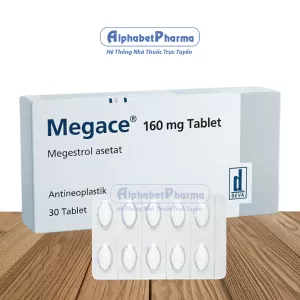
Megace 160mg (3 blisters x 10 tablets/box)
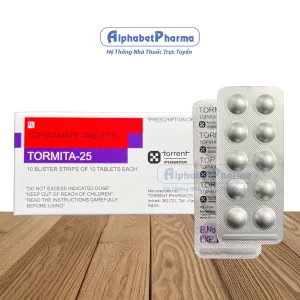
Tormita 25mg (10 blisters x 10 tablets/box)
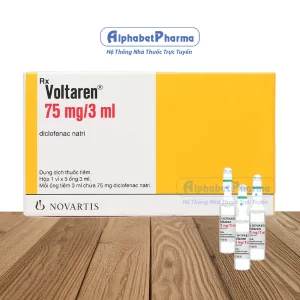
Voltaren 75mg/3ml (5 ampoules/box)
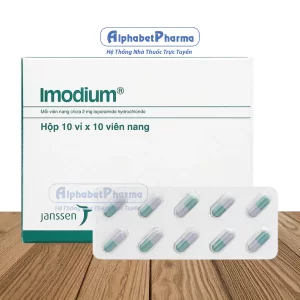
Imodium 2mg (10 blisters x 10 capsules/box)
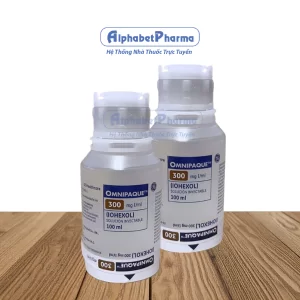
Omnipaque iod 300mg/ml Inj 100ml (10 bottles/box)
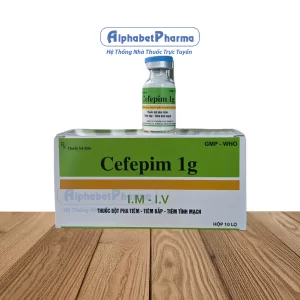
Cefepim 1g VCP (10 vials/box)
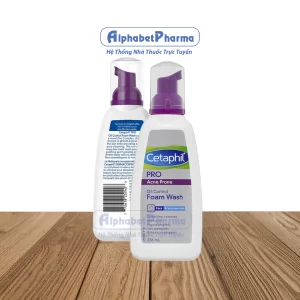
Cetaphil Pro Acne Prone Oil Control Foam Wash (236ml)
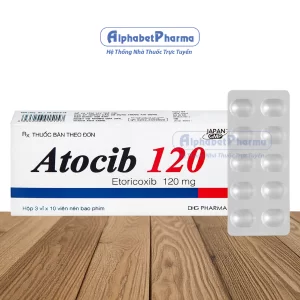
Atocib 120mg (3 blisters x 10 tablets/box)
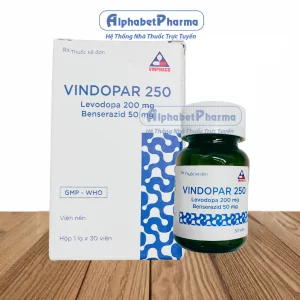
Vindopar 250mg (30 tablets/box)
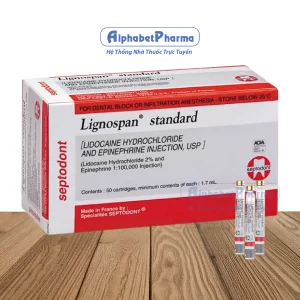
Lignospan Standard (50 cartridges/box)
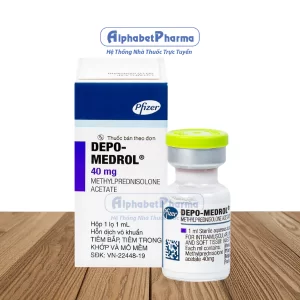
Depo Medrol 40mg (1ml)
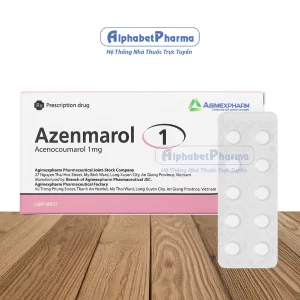
Azenmarol 1mg (10 blisters x 10 tablets/box)
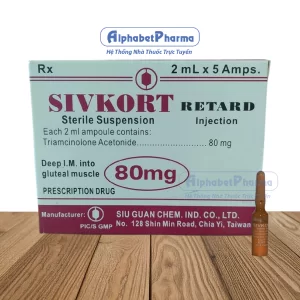
Sivkort Retard 80mg/2ml (5 ampoules/box)

Mecelxib 200mg (200 capsules/box)
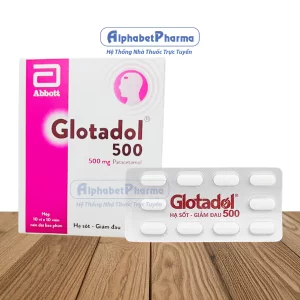
Glotadol 500 (10 blisters x 10 tablets/box)
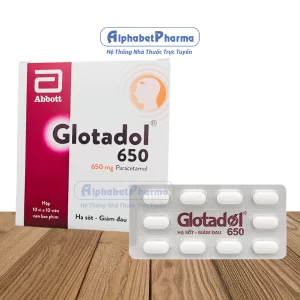
Glotadol 650 (10 blisters x 10 tablets/box)

Pizar 6mg (4 tablets/box)
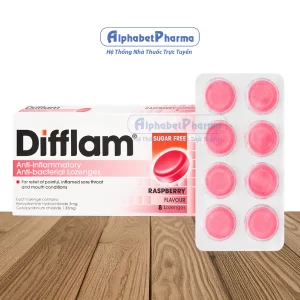
Difflam raspberry (8 lozenges/box)

Difflam Honey & Lemon Flavour (8 lozenges/box)

Phenobarbital 100mg Khapharco (100 tablets/box)
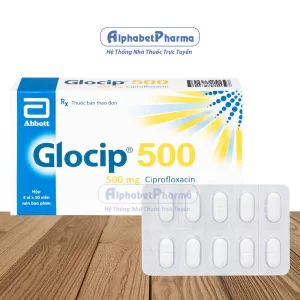
Glocip 500 (3 blistes x 10 tablets/box)
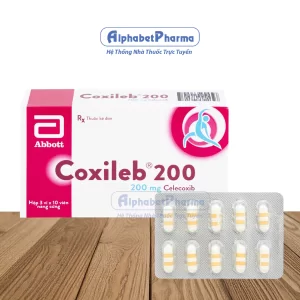
Coxileb 200 (3 blisters x 10 capsules/box)
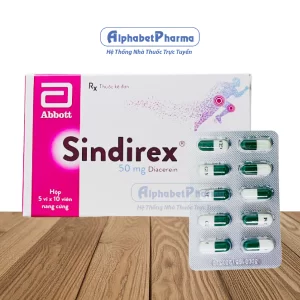
Sindirex 50mg (5 blisters x 10 capsules/box)

Regonat 40mg (28 tablets/box)

Betadine Antiseptic Solution 10% (500ml)
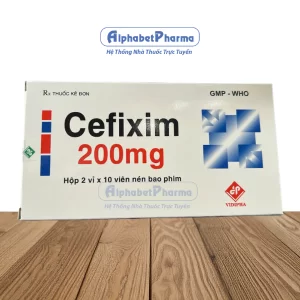
Cefixim 200mg Vidipha (2 blisters x 10 tablets/box)
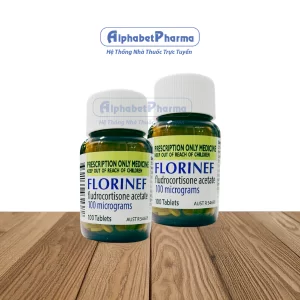
Florinef 100mcg (100 tablets/box)

Urimaxi (6 blisters x 10 tablets/box)
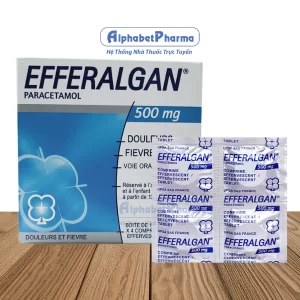
Efferalgan 500mg (10 blisters x 4 effervescents/box)
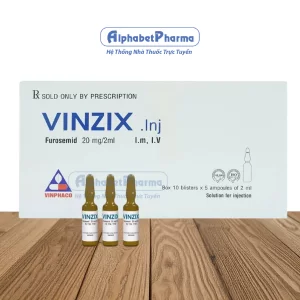
Vinzix 20mg/2ml (50 ampoules/box)
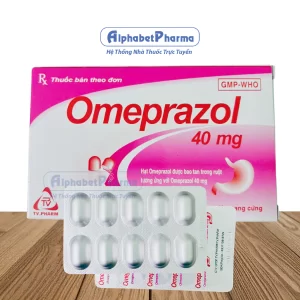
Omeprazol 40mg Tv.Pharm (3 blisters x 10 capsules/box)

TiaSulfene (10 blisters x 10 tablets/box)
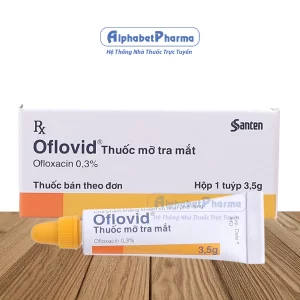
Oflovid ointment 0.3% (3.5g)

E-ScarPatch 5cm x 15cm (4 pcs/bag)
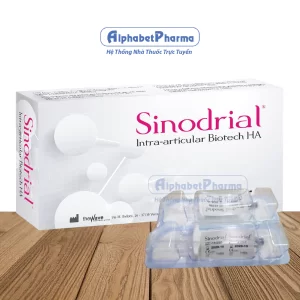
Sinodrial (2 pre-filled syringes/box)

Predlonis 5mg (1000 tablets/box)

Vitamin B1 F.T PHARMA 100mg (100 ampoules/box)

Polymina Kabi (500ml)
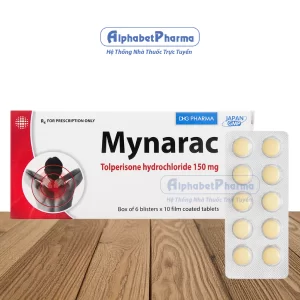
Mynarac 150mg (6 blisters x 10 tablets/box)
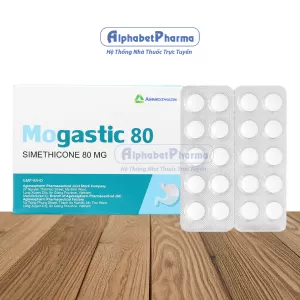
Mogastic 80 (10 blisters x 10 chewable tablets/box)
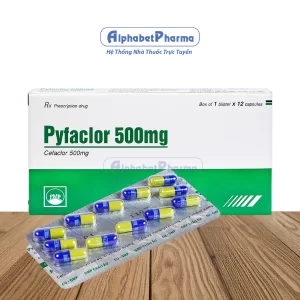
Pyfaclor 500mg (12 capsules/box)
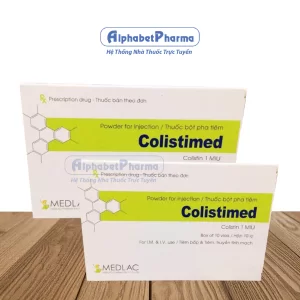
Colistimed 1 MIU (10 vials/box)
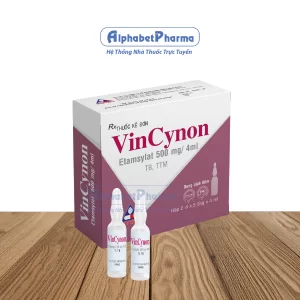
VinCynon 500mg/4ml (10 ampoules/box)
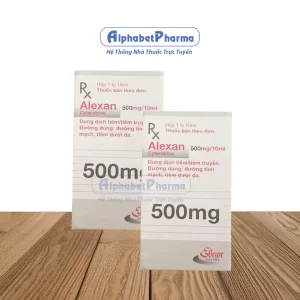
Alexan 500mg/10ml
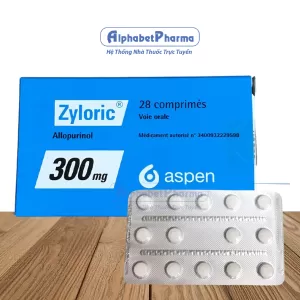
Zyloric 300mg (28 tablets/box)

Seroquel XR 50mg (3 blisters x 10 tablets/box)
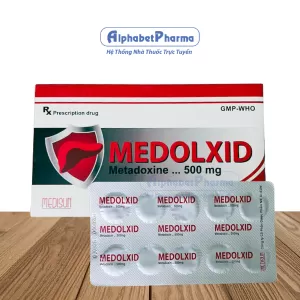
Medolxid 500mg (3 blisters x 10 tablets/box)

Racedagim 100 ( 2 blisters x 10 capsules/box)
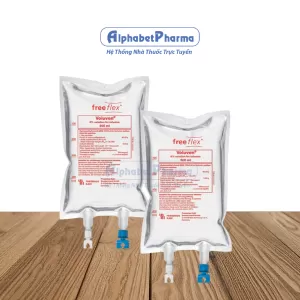
Voluven 6% 500ml (20 bags/box)

Rybelsus 7mg (10 tablets/box)
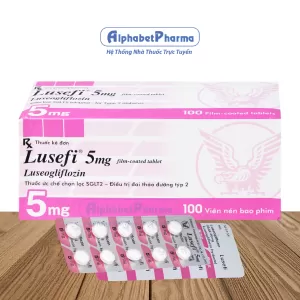
Lusefi 5mg (10 blisters x 10 tablets/box)
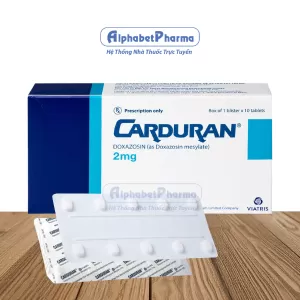
Carduran 2mg (10 tablets/box)
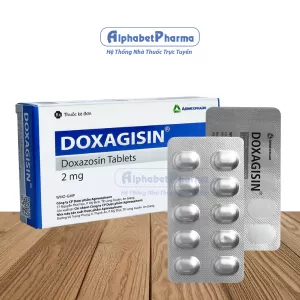
Doxagisin 2mg (2 blisters x 10 tablets/box)
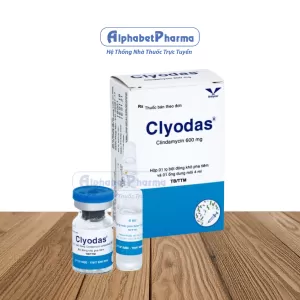
Clyodas 600mg (1 vial/box)
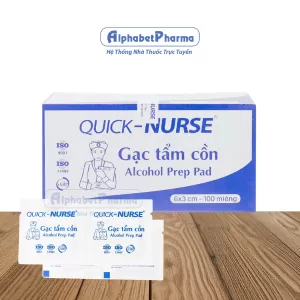
Quick Nurse (100 pads)

Medical first aid kit Red

Gluta Sulfen (10 blisters x 10 tablets/box)
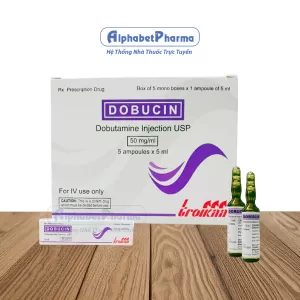
Dobucin 50mg/ml (5 ampoules/box)

Itamekacin 500mg/2ml (10 ampoules/box)
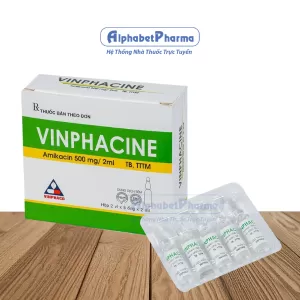
Vinphacine 500mg/2ml (10 ampoules/box)
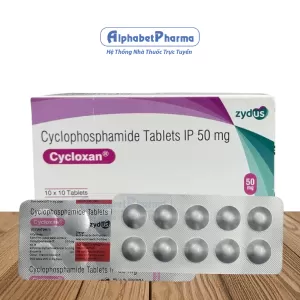
Cycloxan 50mg (10 blisters x 10 tablets/box)

IBS Aga 10mg (3 blisters x 10 capsules/box)
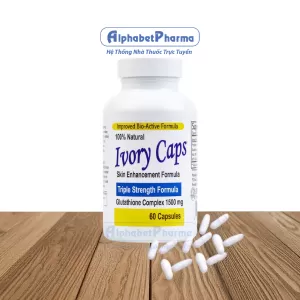
Ivory Caps (60 capsules/box)
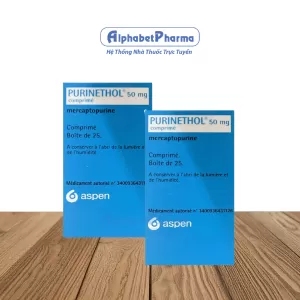
Purinethol 50mg (25 tablets/box)

Savi Mesalazine 500mg (10 blisters x 10 tablets/box)
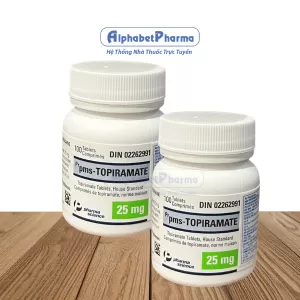
Pms-Topiramate 25mg (100 tablets/box)

Silymarin 140mg VCP (10 blisters x 10 capsules/box)
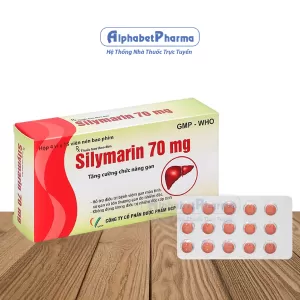
Silymarin 70mg VCP (10 blisters x 10 tablets/box)
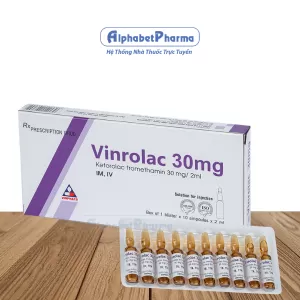
Vinrolac 30mg/2ml (10 ampoules/box)
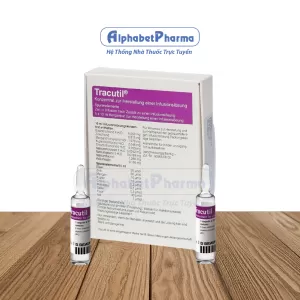
Tracutil 10ml (5 ampoules/box)
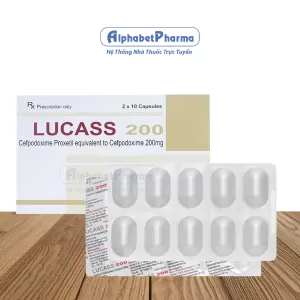
Lucass 200mg (2 blisters x 10 capsules/box)

HoAstex-S (90ml)
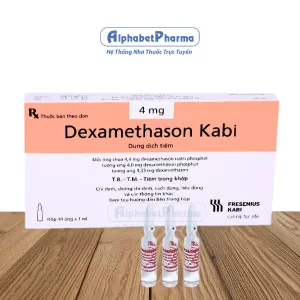
Dexamethason Kabi 4mg/1ml (10 ampoules/box)
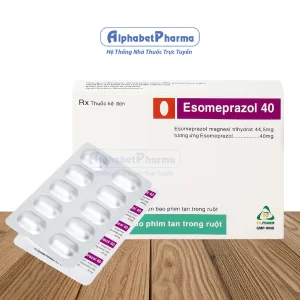
Esomeprazol 40mg Tv.Pharm (10 blisters x 10 capsules/box)
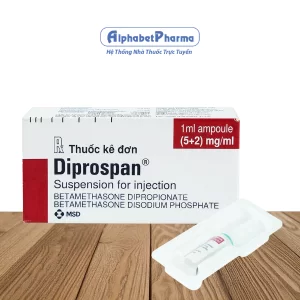
Diprospan 1ml (1 ampoules/box)
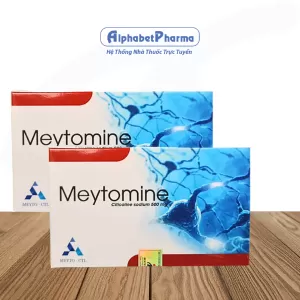
Meytomine 500mg (2 blisters x 10 capsuels/box)
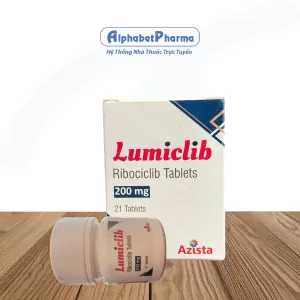
Lumiclib 200mg (21 tablets/box)
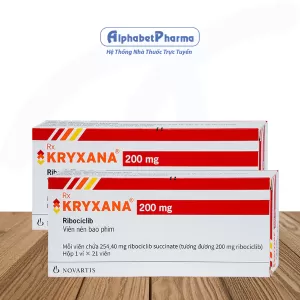
Kryxana 200mg (21 tablets/box)