Indications
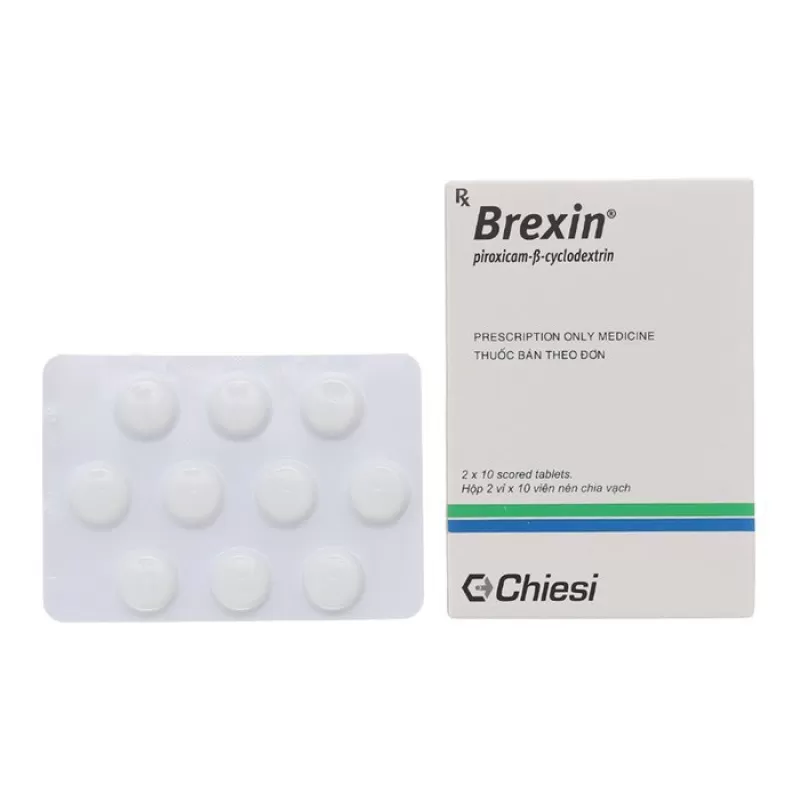
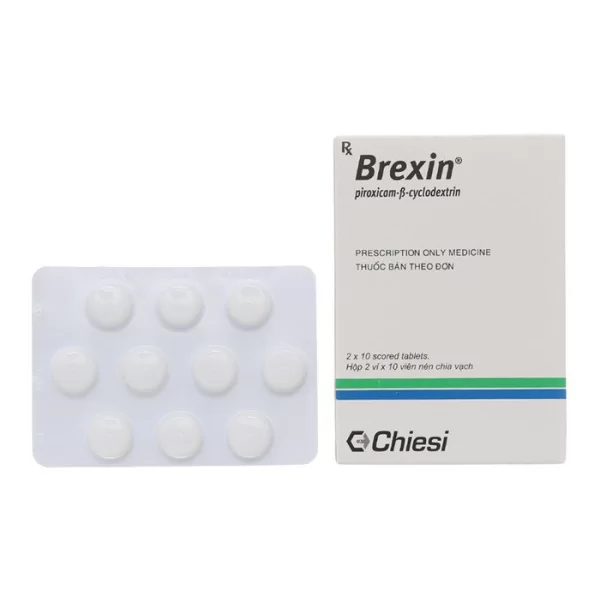
Brexin used in the treatment of rheumatoid and osteoarthritis, primary dysmenorrhoea, postoperative pain; and act as an analgesic, especially where there is an inflammatory component.
Contraindications
- Known hypersensitivity to any of the constituents or piroxicam
- History of gastro-intestinal ulceration, bleeding or perforation
- Patient history of gastrointestinal disorders that predispose to bleeding disorders such as ulcerative colitis, Crohn’s disease, gastrointestinal cancers or diverticulitis
- Patients with active peptic ulcer, inflammatory gastrointestinal disorder or gastrointestinal bleeding
- Concomitant use with other NSAIDs, including COX-2 selective NSAIDs and acetylsalicylic acid at analgesic doses
- Concomitant use with anticoagulants
- History of previous serious allergic drug reaction of any type, especially cutaneous reactions such as erythema multiforme, Stevens-Johnson syndrome, toxic epidermal necrolysis
- Hypersensitivity to the active substance, previous skin reaction (regardless of severity) to piroxicam, other NSAIDs and other medications
- Porphyria
- Severe heart failure Brexin is contra-indicated in children
Compositon/Ingredients
Piroxicam β-cyclodextrin 191.2 mg (=piroxicam 20 mg)
Dosage and administration
Adults: The prescription of piroxicam should be initiated by physicians with experience in the diagnostic evaluation and treatment of patients with inflammatory or degenerative rheumatic diseases. The maximum recommended daily dose is 20 mg, administered as one single daily dose, preferably with or after food. Undesirable effects may be minimised by using the minimum effective dose for the shortest duration necessary to control symptoms (see section 4.4). The benefit and tolerability of treatment should be reviewed within 14 days. If continued treatment is considered necessary, this should be accompanied by frequent review. Given that piroxicam has been shown to be associated with an increased risk of gastrointestinal complications, the possible need for combination therapy with gastroprotective agents (e.g. misoprostol or proton pump inhibitors) should be carefully considered, in particular for elderly patients. Children The use of piroxicam in children is not recommended.
The Elderly: In elderly patients, it may be necessary to reduce the dosage (half a tablet/sachet), and limit the duration of treatment. Again, it is preferable to take the dose with or after food. NSAIDs should be used with particular caution in elderly patients who are more prone to adverse events.
Storage
Store at temperature below 30°C, protect from light.