Indications
Treatment and/or suppression of inflammatory and allergic disorders.
Contraindications
Known hypersensitivity to any of the active substance or excipients.
Serious infections, except septic shock and tuberculous meningitis.
Viral, fungal, or tubercular skin lesions.
Administration of live virus vaccines.
Compositon/Ingredients
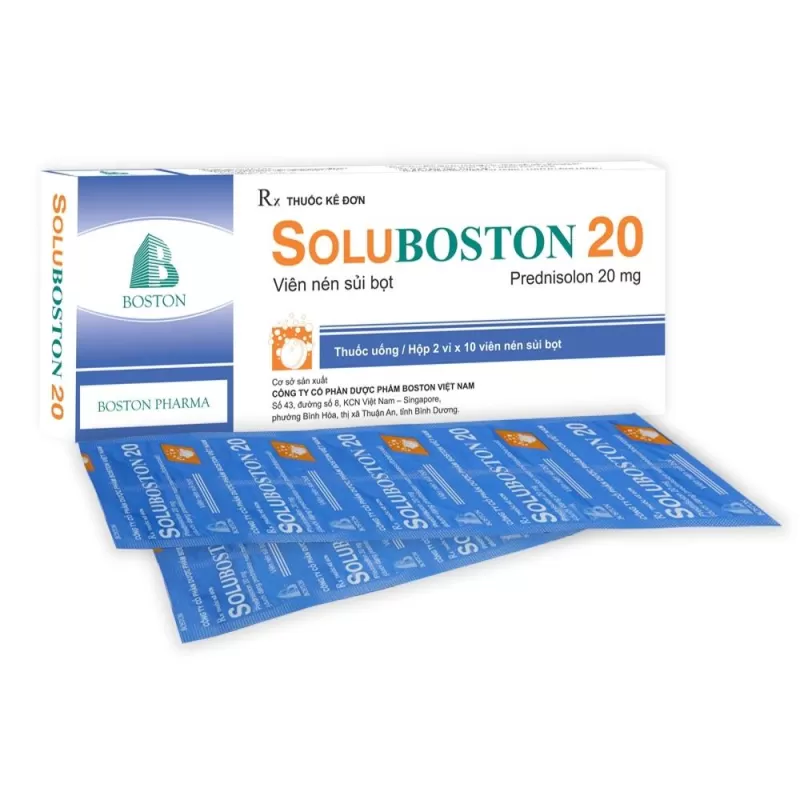
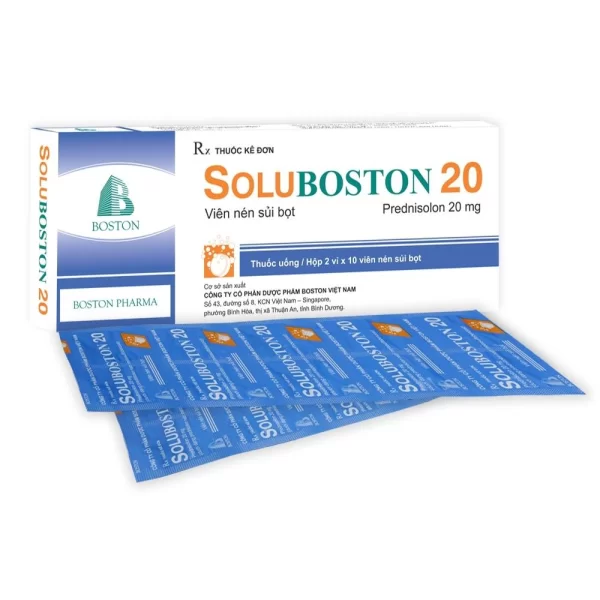
Prednisolone 20mg
Dosage and administration
The lowest effective dose should be used for the minimum period.
Adults and the elderly: initial 5 – 60mg daily or more, divided into doses; initial dosage shall be maintained or adjusted until the anticipated response; the dose should be gradually reduced until the lowest dose which will maintain an adequate clinical response.
Prolonged therapy: dosage may need to be temporarily increased during periods of stress or during exacerbations of the disease. If there is lack of a satisfactory clinical response: gradually discontinue drug and transfer to alternative therapy.
Intermittent dosage regimen: A single dose in the morning on alternate days or at longer intervals.
Some corticosteroid responsive disorders: Acute/severe disease: may require initial high dose therapy with reduction to the lowest effective maintenance dose as soon as possible. Dosage reductions should not exceed 5 – 7.5mg daily during chronic treatment.
Allergic and skin disorders: Initial doses are 5 – 15mg daily.
Collagenosis: initial doses are 20 – 30mg daily, more severe symptoms may require higher doses.
Rheumatoid arthritis: an initial dose is 10 – 15mg daily, the lowest daily maintenance dose compatible with tolerable symptomatic relief is recommended.
Blood disorders and lymphoma: an initial daily dose is 15 – 60mg, dosage reduction after an adequate clinical or haematological response. Higher doses may be necessary to induce remission in acute leukaemia.
Children: only prescribed on special indicated, dosage will usually be determined by clinical response as in adults. Alternate day dosage is preferable where possible.
Precaution
Patients or their first degree relatives with existing or previous history of severe affective disorders. Diabetes mellitus/glaucoma or in those with a family history of diabetes/ glaucoma; hypertension; congestive heart failure; liver failure; epilepsy; osteoporosis; previous history of corticosteroid induced psychoses; peptic ulceration; previous steroid myopathy; myasthenia gravis receiving anticholinesterase therapy; thromboembolic disorders; renal insufficiency; history of, or x-ray changes characteristic of tuberculosis; recent myocardial infarction (rupture); chickenpox; measles; hypothyroidism in those with chronic liver disease with impaired hepatic function.
Elderly: Adrenal cortical atrophy develops during prolonged therapy and may persist for years after stopping treatment. Corticosteroids cause growth retardation in infancy, childhood and adolescence, which may be irreversible. Potentially severe psychiatric adverse reactions may occur with systemic steroids. Too rapid a reduction of corticosteroid dosage following prolonged treatment can lead to acute adrenal insufficiency, hypotension and death.
Pregnancy: only be prescribed when the benefits to the mother and child outweigh the risks.
Storage
Store at temperature below 30°C. Avoid direct sunlight and moisture.