Indications
Treatment of hypertension.
Treatment of chronic stable angina pectoris.
Treatment of stable chronic heart failure with reduced systolic ventricular function in addition to ACE inhibitor, and diuretics, and optionally cardiac glycosides.
Contraindications
Hypersensitivity to bisoprolol or to any of the excipients. Acute heart failure or during episodes of heart failure decompensation requiring i.v. inotropic therapy. Cardiogenic shock. Second or third degree AV block. Sick sinus syndrome. Sinoatrial block. Symptomatic bradycardia. Symptomatic hypotension. Severe bronchial asthma or severe chronic obstructive pulmonary disease. Severe forms of peripheral arterial occlusive disease or severe forms of Raynaud’s syndrome. Untreated phaeochromocytoma. Metabolic acidosis.
Compositon/Ingredients
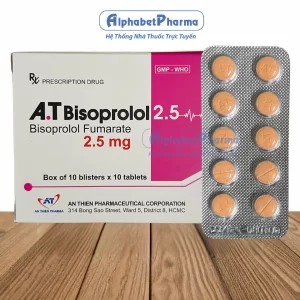
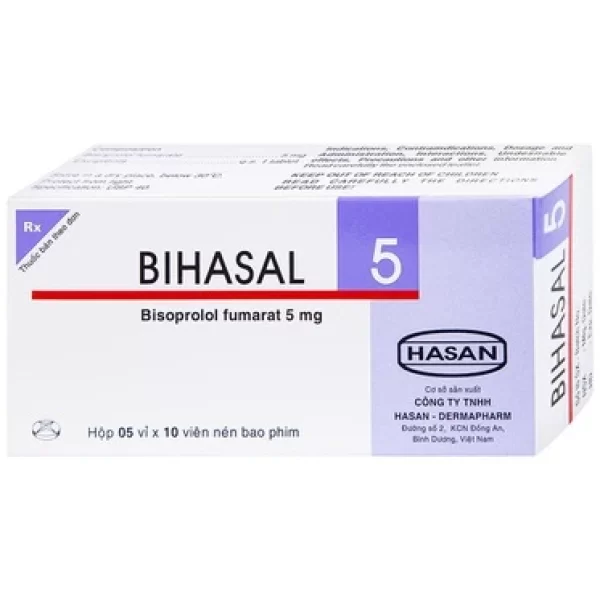
Bisoprolol 5mg
Dosage and administration
Hypertension and chronic stable angina pectoris Adults: It is recommended to start with 5 mg per day. The usual dose is 10 mg once daily with a maximum recommended dose of 20 mg per day. Hepatic or renal impairment: Patients with renal impairment (creatinine clearance less than 40 ml/minute) or hepatic impairment: bisoprolol should be initiated at 2.5 mg daily. Patients with severe renal impairment (creatinine clearance < 20 ml/min) and patients with severe hepatic function disorders: The dose should not exceed 10 mg once daily. This dosage may eventually be divided into halves. Elderly: No dosage adjustment is normally required. It is recommended to start with the lowest possible dose. Stable chronic heart failure Titration phase: 25 mg once daily for 1 week, if well tolerated increase to 5 mg once daily for a further week, if well tolerated increase to 75 mg once daily for a further week, if well tolerated increase to 5 mg once daily for the 4 following weeks, if well tolerated increase to 5 mg once daily for the 4 following weeks, if well tolerated increase to 10 mg once daily for the maintenance therapy. The maximum recommended dose is 10 mg once daily. Treatment modification: If the maximum recommended dose is not well tolerated, gradual dose reduction may be considered. Hepatic or renal impairment: Patients with renal impairment (creatinine clearance less than 40 ml/minute) or hepatic impairment, bisoprolol should be initiated at 2.5 mg daily. Elderly: No dosage adjustment is normally required.
Precaution
Treatment should not be stopped abruptly. The dosage should be diminished slowly by a weekly halving of the dose. There is no experience with bisoprolol in children, therefore its use cannot be recommended for children. The treatment of stable chronic heart failure with bisoprolol has to be initiated with a special titration phase. Especially in patients with ischaemic heart disease the cessation of therapy with bisoprolol must not be done abruptly unless clearly indicated, because this may lead to transitional worsening of heart condition. Bisoprolol must be used with caution in patients with hypertension or angina pectoris and accompanying heart failure. The initiation and cessation of treatment with bisoprolol necessitates regular monitoring. Bisoprolol must be used with caution in bronchospasm, diabetes mellitus with large fluctuations in blood glucose values, symptoms of hypoglycaemia, strict fasting, ongoing desensitization therapy, first degree AV block, prinzmetal’s angina, peripheral arterial occlusive disease, general anaesthesia. Patients with psoriasis or with a history of psoriasis should only be given beta-blockers (e.g. bisoprolol) after a careful balancing of benefits against risks. The symptoms of thyrotoxicosis may be masked under treatment with bisoprolol. Abrupt withdrawal of beta blockade may be followed by an exacerbation of the symptoms of hyperthyroidism or may precipitate thyroid storm. In patients with phaeochromocytoma bisoprolol must not be administered until after alpha-receptor blockade. Bisoprolol is not recommended during pregnancy unless clearly necessary. If treatment with bisoprolol is considered necessary, the uteroplacental blood flow and fetal growth should be monitored. In case of harmful effects on pregnancy or the fetus alternative treatment should be considered. Breastfeeding is not recommended during administration of bisoprolol
Storage
Store at temperature below 30°C, protect from light.