Indications
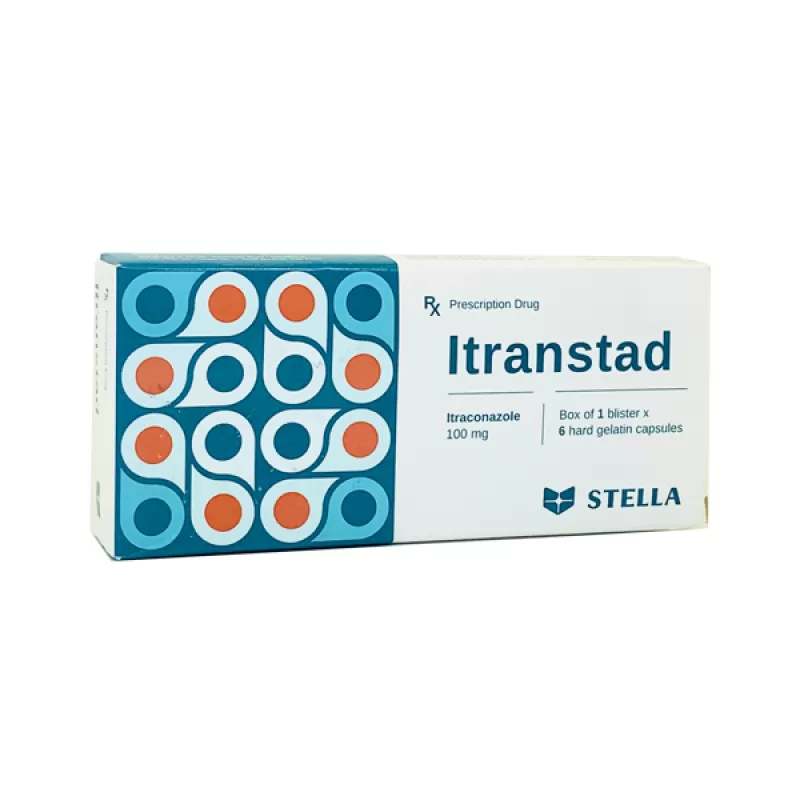
Oropharyngeal and vulvovaginal candidosis. Pityriasis versicolor. Dermatophytosis caused by organisms susceptible to itraconazole (Trichophyton, Microsporum spp., Epidermophyton floccosum) e.g. tinea pedis, tinea cruris, tinea corporis, tinea manuum. Onychomycosis (tinea unguium). Blastomycosis (pulmonary and extrapulmonary). Histoplasmosis (including chronic cavitary pulmonary disease and disseminated, nonmeningeal histoplasmosis). Aspergillosis (pulmonary and extrapulmonary in patients who do not respond to or cannot tolerate amphotericin B). Maintenance therapy in AIDS patients to prevent relapse of underlying fungal infection. Itraconazole is also indicated in the prevention of fungal infection during prolonged neutropenia when standard therapy is considered inappropriate.
Contraindications
Patients with known hypersensitivity to other azole or any ingredient in the formulation. The patients are ongoing treatment with terfenadine, astemizole, oral triazolam, oral midazolam and cisapride. Pregnancy women and also in women contemplating pregnancy.
Compositon/Ingredients
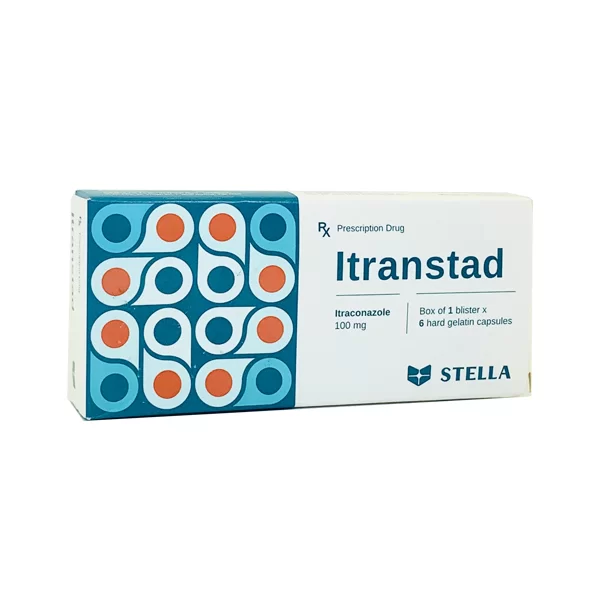
Itraconazole 100mg
Dosage and administration
Adults older then 18 years of age Short-term therapy: Oropharyngeal candidosis: 100 mg once daily for 15 days. Increase dose to 200 mg once daily for 15 days in AIDS or neutropenic patients because of impaired absorption in these groups. Vulvovaginal candidosis: 200 mg twice daily for 1 day or 200 mg once daily for 3 days. Pityriasis versicolor: 200 mg once daily for 7 days. Dermatophytoses: 100 mg once daily for 15 days. In highly keratinized regions: require an additional treatment of 15 days at 100 mg daily. Long-term therapy (for systemic fungal infections) Onychomycosis: 200 mg once daily for 3 months. Histoplasmosis and Blastomycosis: 200 mg once daily or twice daily for 8 months. Aspergillosis: 200 mg once daily for 2-5 months; increase dose to 200 mg twice daily in case of invasive or disseminated disease. Candidosis: 100 – 200 mg once daily for 3 weeks to 7 months; increase dose to 200 mg twice daily in case of invasive or disseminated disease. Non-meningeal cryptococcosis: 200 mg once daily, for 2 months to 1 year. Meningeal cryptococcosis: 200 mg twice daily. Maintenance dose: 200 mg once daily. Maintenance in AIDS: 200 mg once daily. Prophylaxis in neutropenia: 200 mg once daily.
Precaution
Itraconazole should not be used for Patients with evidence of ventricular dysfunction, such as congestive heart failure or history of congestive heart failure; treatment should be discontinued in patients who develop congestive heart failure while receiving the drug. Patients with increased serum hepatic enzymes, active liver disease, or a history of liver toxicity with other drugs unless the potential benefits exceed the risks. Serum hepatic enzyme monitoring should be considered, especially those who receive itraconazole therapy continuously for longer than 1 month. The drug should be discontinued if neuropathy occurs. Sensitivity should be tested before start of itraconazole therapy in systemic candidosis. Itranstad contains sucrose. Patients with rare hereditary problems of fructose intolerance, glucose-galactose malabsorption or sucrase-isomaltase insufficiency should not take this medicine. Itraconazole should be used in pregnancy only if the benefit outweighs the potential risk. Breast feeding while receiving itraconazole is not recommended. Patients should be aware of how they react to Itranstad before driving or operating machinery.
Storage
Store at temperature below 30°C, protect from light.