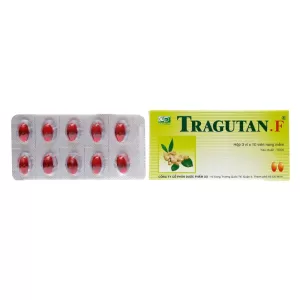













Indications
- Hypertension, particularly in patients who develop cough with ACE inhibitors and to reduce the risk of stroke in patients with left ventricular hypertrophy.
- Diabetic nephropathy (as serum creatinine is 1.3 – 3mg/dl in patients ≤ 60 kg and 1.5 – 3mg/dl in males > 60kg and proteinuria).
- Heart failure and in myocardial infarction.
Contraindications
Known hypersensitivity to any of the active substance or excipients.
Dosage and administration
Hypertension:
Adults: 50mg once daily. The dose may be increased, if necessary, to 100mg daily as a single dose or in two divided doses.
Patients with intravascular fluid depletion, hepatic or renal impairment: An initial dose of 25mg once daily.
Children ≥ 6 years: An initial dose of 0.7mg/kg once daily, with a maximum of 50mg, adjusted according to response.
Nephropathy in type 2 diabetic patients:
An initial dose of 50mg once daily, increased to 100mg once daily depending on the blood pressure.
Precaution
When used in pregnancy during the second and third trimesters, drugs that act directly on the renin-angiotensin system can cause injury and even death to the developing fetus. When pregnancy is detected, losartan should be discontinued as soon as possible.
Because of the potential for adverse effects on the nursing infant, a decision should be made whether discontinue nursing or discontinue the drug, taking into account the importance of the drug to the mother.
When driving vehicles or operating machinery it must be borne in mind that dizziness or drowsiness may occasionally occur when taking antihypertensive therapy, in particular during initiation of treatment or when the dose increased.
Losartan should be used with caution in patients with renal artery stenosis.
The reduced doses may be required in patients with renal impairment and should be considered in patients with hepatic impairment.
Patients with volume depletion (for examples those who have received high-dose diuretic therapy) may experience hypotension; volume depletion should be corrected before starting therapy, or a low initial dose should be used.
Since hyperkalaemia may occur, serum-potassium concentrations should be monitored, especially in the elderly and patients with renal impairment, and the concomitant use of potassium-sparing diuretics should generally be avoided.
Storage
Store at temperature below 30°C, protect from light.
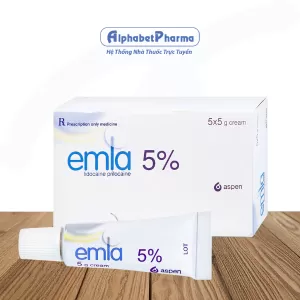
Emla 5% (5g)
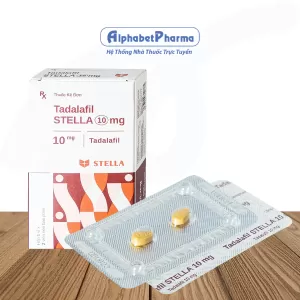
Tadalafil Stella 10mg (2 tablets/box)
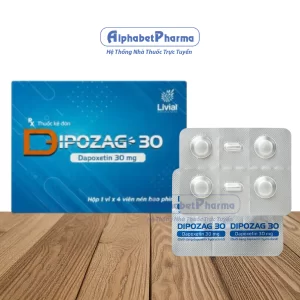
Dipozag 30mg (4 tablets/box)
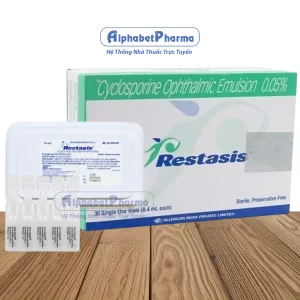
Restasis 0.05% (30 single-use vials/box)
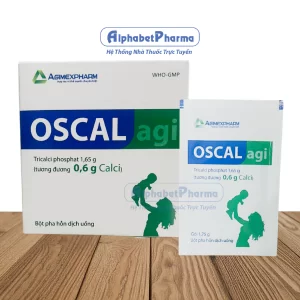
Oscal Agi 0.6g (30 sachets/box)
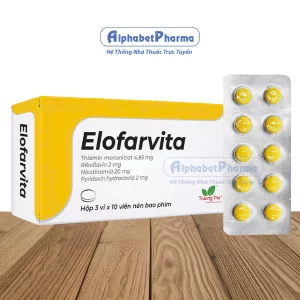
Elofarvita (3 blisters x 10 tablets/box)
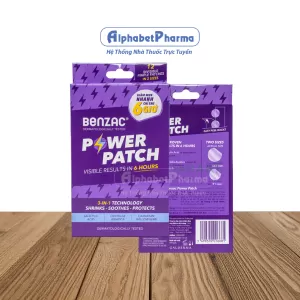
Benzac Power Patch (12 patches/box)

Benzac Blackhead Control Facial Scrub (60g)

E-ScarPatch 5cm x 7cm (8 pcs/bag)
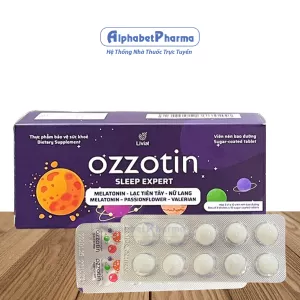
Ozzotin Sleep Expert (10 tablets/box)
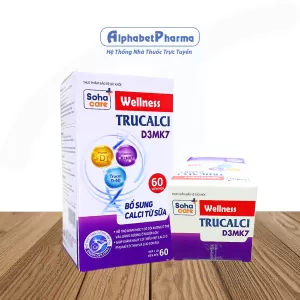
Trucalci D3MK7 Wellness (60 tablets/box)
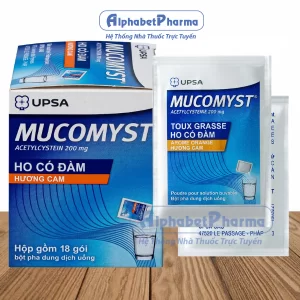
Mucomyst 200mg (18 sachets/box)
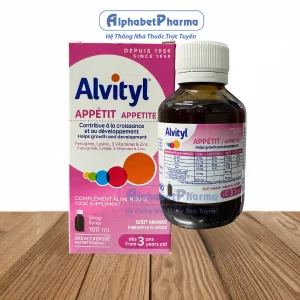
Alvityl Appetite Syrup Pineapple Flavour (100ml)
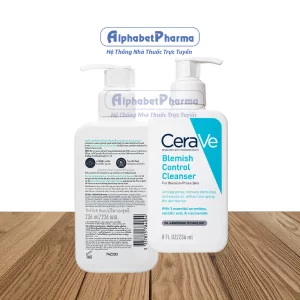
Cerave Blemish Control Cleanser (236ml)

Cetaphil Baby Wash & Shampoo With Organic Calendula (400ml)

Cetaphil Pro AD Derma Instant Relief và Moisturising Gel (59ml)
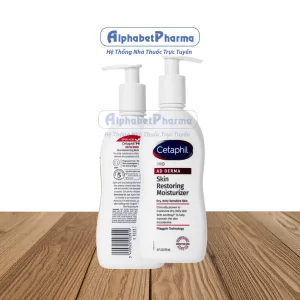
Cetaphil Pro Ad Derma Skin Restoring Moisturizer (295ml)

Benzac Purifying Cleanser (130ml)
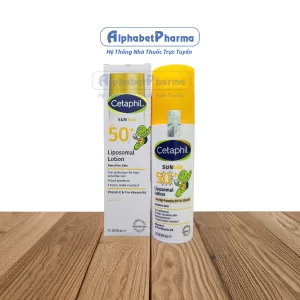
Cetaphil Sun Kids Liposomal lotion SPF50+ (150ml)
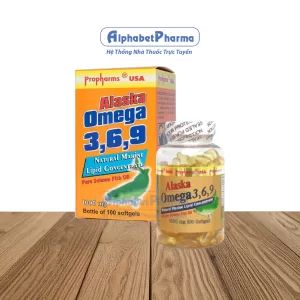
Omega 3-6-9 Alaska Propharm (100 softgels/box)

Benzac AC gel 2.5% (30g)
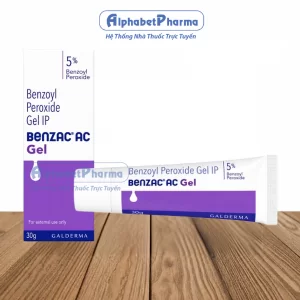
Benzac AC gel 5% (30g)
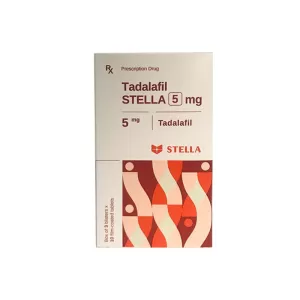
Tadalafil Stella 5mg (3 blisters x 10 tablets/box)
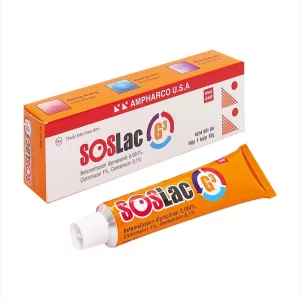
SOSLac G3 (15g)
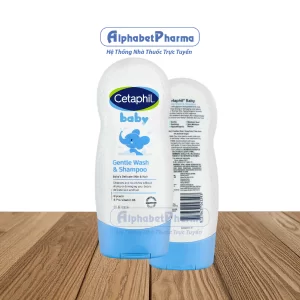
Cetaphil Baby Gentle Wash & Shampoo (230ml)
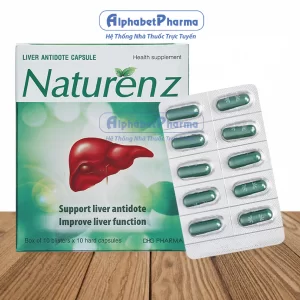
Naturen Z (10 blisters x 10 capsules/box)
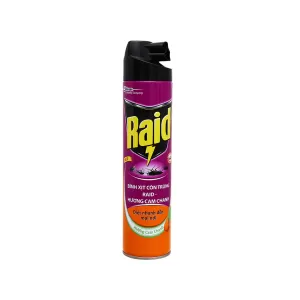
Raid Lemon Orange (600ml)
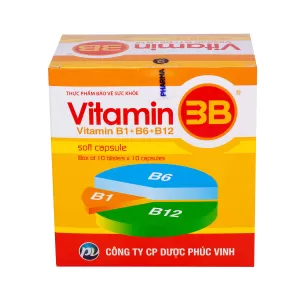
Vitamin 3B PV (10 blisters x 10 softgels/box)
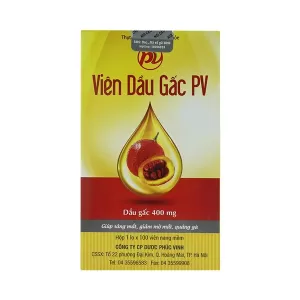
Viên dầu gấc PV (100 softgels/box)
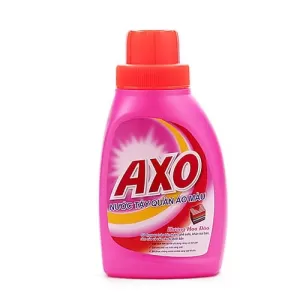
Javel Bleach AXO (400ml)
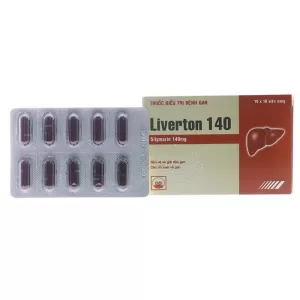
Liverton 140mg (10 blisters x 10 capsules/box)
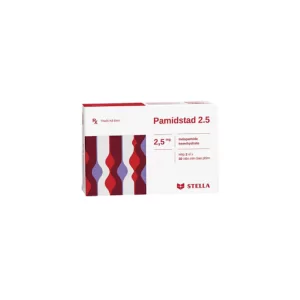
Pamidstad 2.5mg (2 blisters x 30 tablets/box)
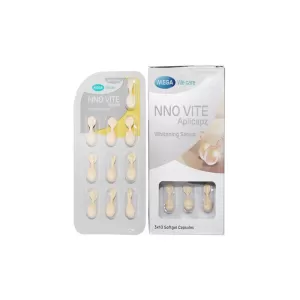
NNO Vite Aplicapz (3 blisters x 10 softgels/box)
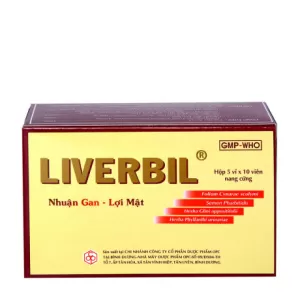
Liverbil OPC (5 blisters x 10 capsules/box)
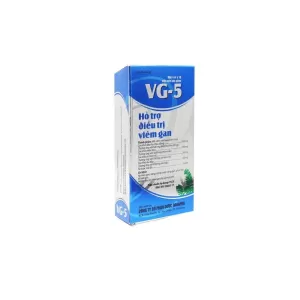
VG-5 Danapha (4 blisters x 10 tablets/box)
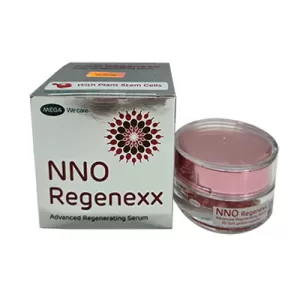
NNO Regenexx (30 softgels/box)
Cloderm cream (15g)
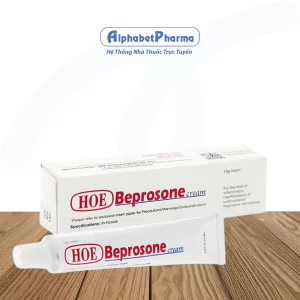
Beprosone Cream (15g)
Calcium Hasan 500mg (20 effervescent tablets/tube)
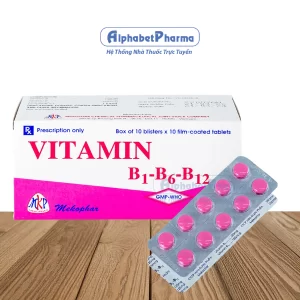
Vitamin B1-B6-B12 MKP (10 blisters x 10 tablets/box)
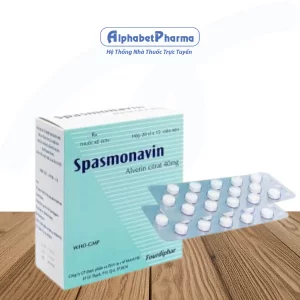
Spasmonavin 40mg (20 blisters x 15 tablets/box)

TanaMisolblue (10 blisters x 10 tablets/box)
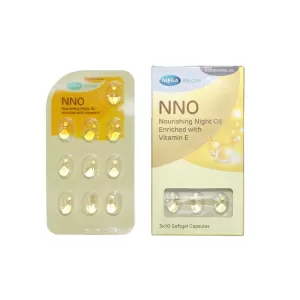
NNO Nourishing Night Oil (3 blisters x 10 softgels/box)
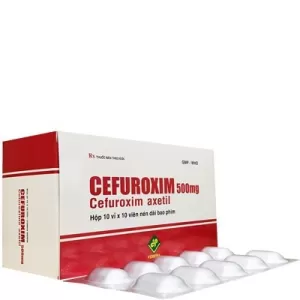
Cefuroxim 500mg Vidipha (10 blisters X 10 tablets/box)
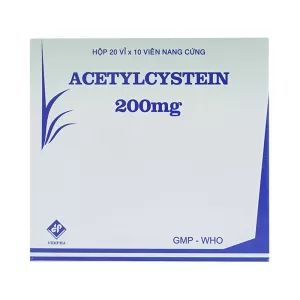
Acetylcystein 200mg Vidipha (20 blisters x 10 capsules/box)
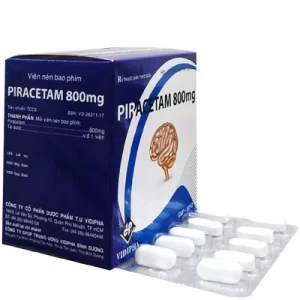
Piracetam 800mg Vidipha (10 blisters x 10 tablets/box)
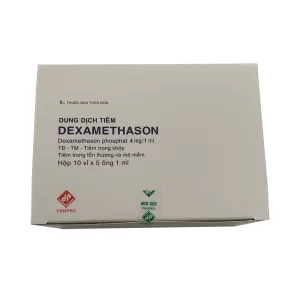
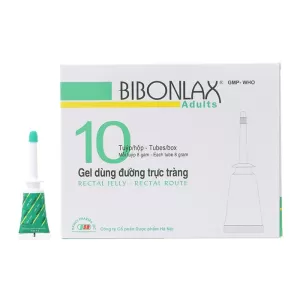
Bibonlax Adults 8g (10 tubes/box)
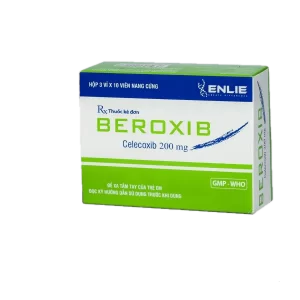
Beroxib 200mg Enlie (3 blisters x 10 capsules/box)
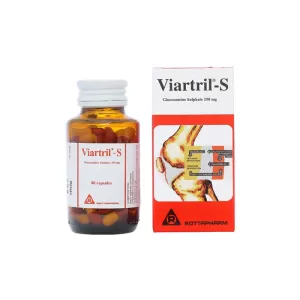
Viartril - S 250mg (80 capsules/box)
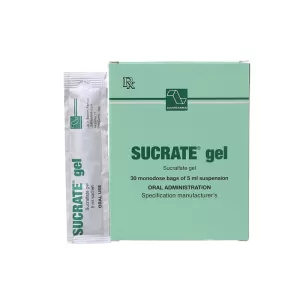
Sucrate Gel (30 sachets/box)
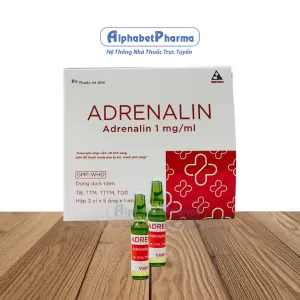
Adrenalin 1mg/1ml (2 blisters x 5 ampoules/box)
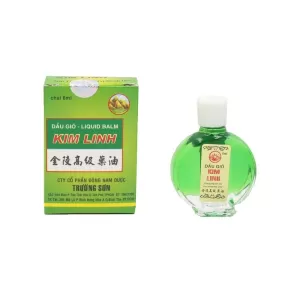
Liquid balm Kim Linh (6ml)
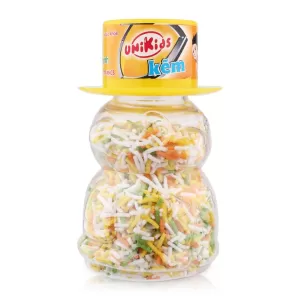
Unikids Zinc (50g)
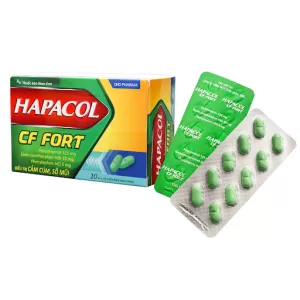
Hapacol CF Fort (10 blisters x 10 tablets/box)
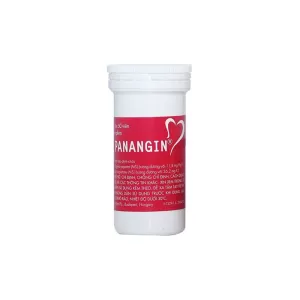
Panangin (50 tablets/box)
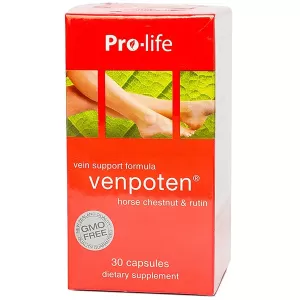
Venpoten (30 capsules/box)
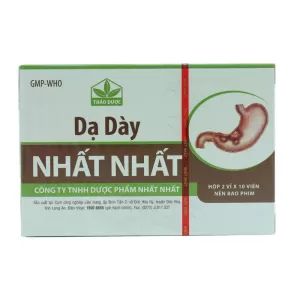
Dạ dày Nhất Nhất (2 blisters x 10 tablets/box)
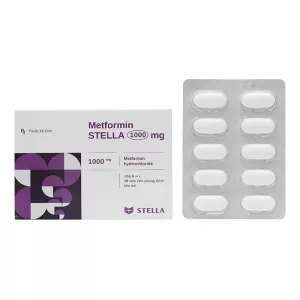
Metformin Stella 1000mg (6 blisters x 10 tablets/box)
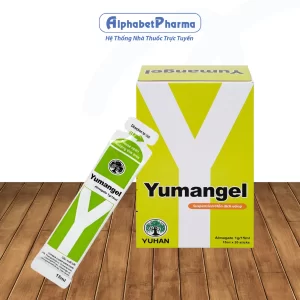
Yumangel (20 sachets/box)
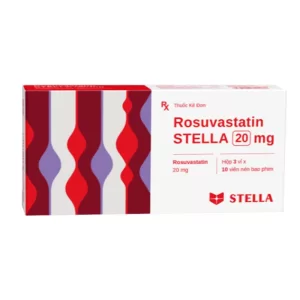
Rosuvastatin Stella 20mg (3 blisters x 10 tablets/box)
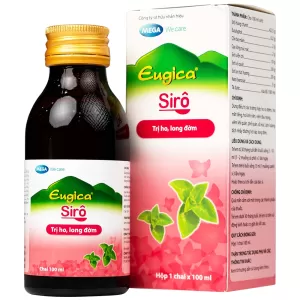
Eugica syrup (100ml)
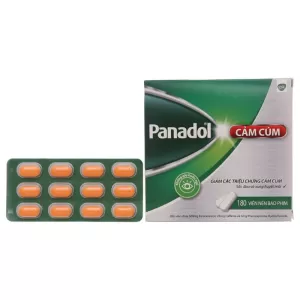
Panadol Cold Flu (15 blisters x 12 tablets/box)
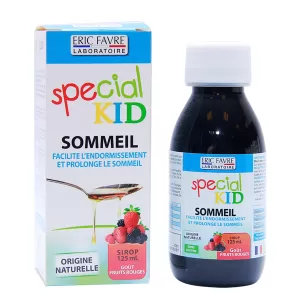
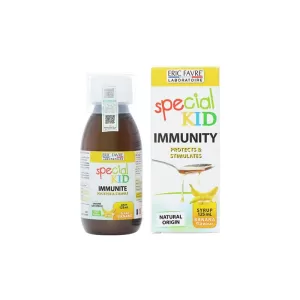
Special Kid Immunite (125ml)
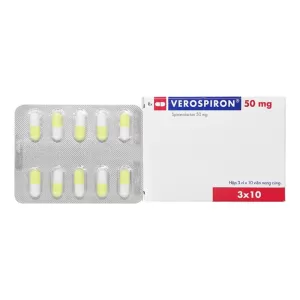
Verospiron 50mg (3 blisters x 10 capsules/box)
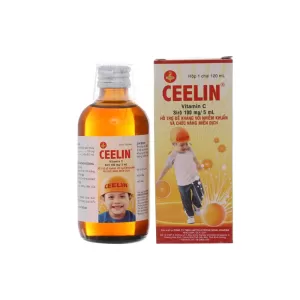
Ceelin (120ml)
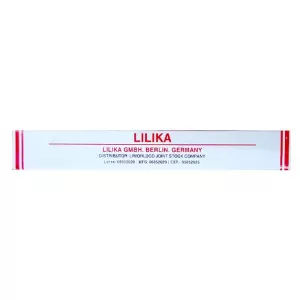
Clinical Thermometer Lilika
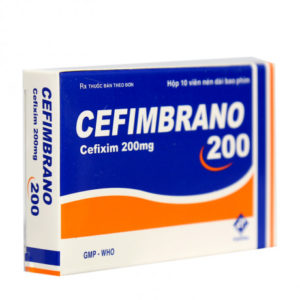
Cefimbrano 200 (10 tablets/box)
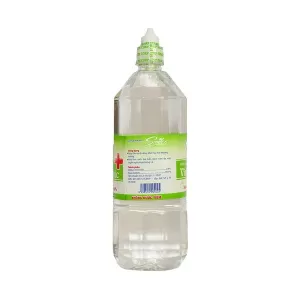
Natriclorid 0.9% Vĩnh Phúc (1710ml)
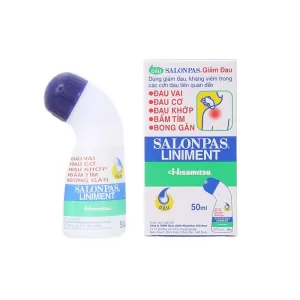
Salonpas Liniment (50ml)
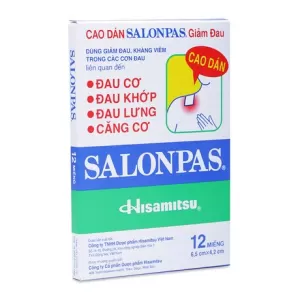
Salonpas (12 pads/box)
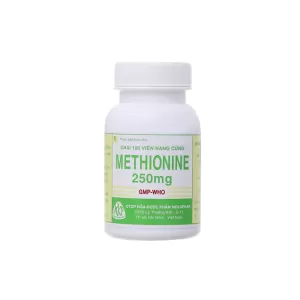
Methionine 250mg MKP (100 capsules/box)
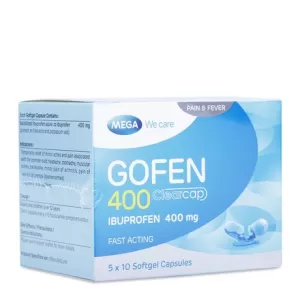
Gofen 400mg (5 blisters x 10 softgel capsules/box)

Tiger Balm White (30g)
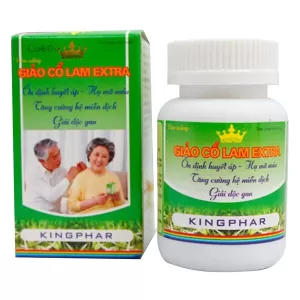
Giao Co Lam Extra Kingphar (60 capsules/box)
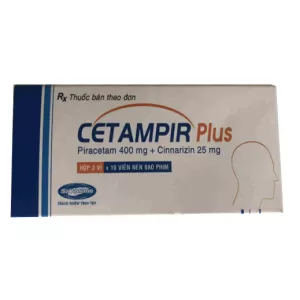
Cetampir plus (3 blisters x 10 tablets/box)
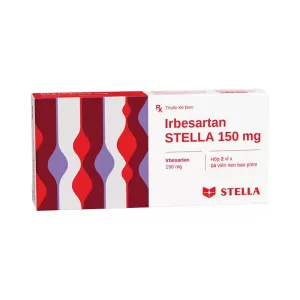
Irbesartan Stella 150mg (2 blisters x 14 tablets/box)