













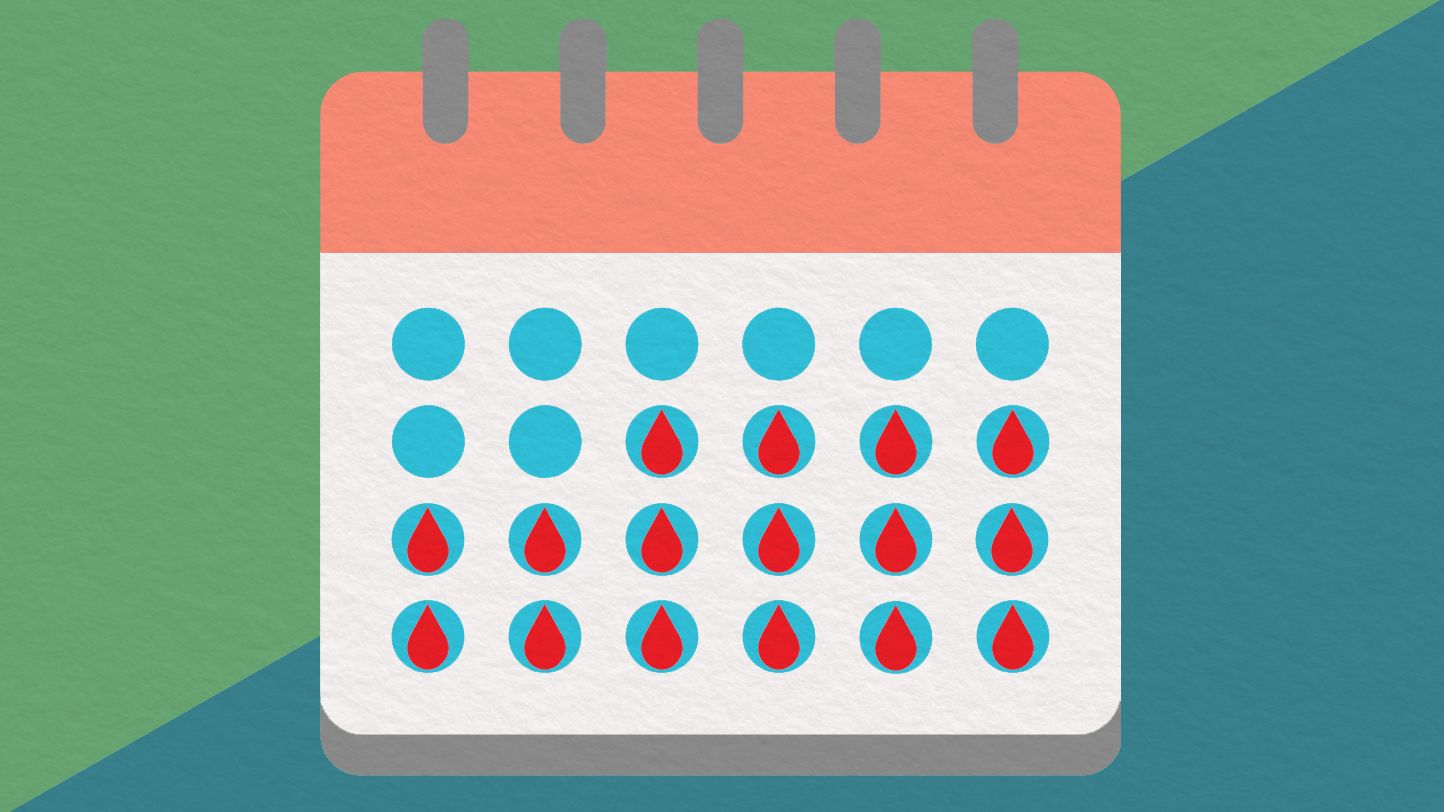
Experiencing a menstrual period that lasts longer than seven days, even with light bleeding, can be concerning. While menstrual cycles can vary, it's important to understand potential causes and when to seek medical advice.
Possible Causes:
Hormonal Imbalances: Disruptions in estrogen and progesterone levels can lead to prolonged menstrual bleeding.
Thyroid Disorders: Conditions like hypothyroidism or hyperthyroidism can affect menstrual cycle length and flow.
Uterine Fibroids or Polyps: Noncancerous growths in the uterus can cause extended periods with varying flow intensity.
Stress and Lifestyle Factors: Significant stress, weight changes, or excessive exercise can impact menstrual regularity and duration.
When to Consult a Healthcare Provider:
If your period consistently lasts longer than seven days.
If you experience additional symptoms such as fatigue, dizziness, or signs of anemia.
If there's a significant change in your menstrual pattern without an obvious cause.
Recommendations:
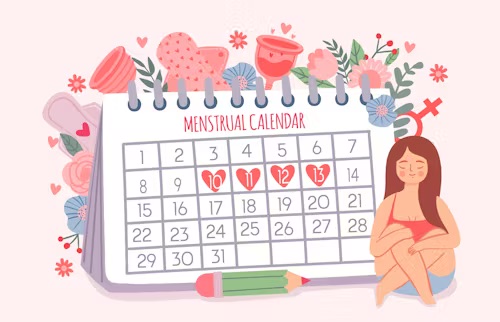
Monitor Your Cycle: Keep a detailed record of your menstrual cycle, noting duration, flow intensity, and any accompanying symptoms.
Maintain a Healthy Lifestyle: Ensure a balanced diet, manage stress, and engage in regular, moderate exercise to support hormonal balance.
Seek Medical Advice: If prolonged periods persist, consult a healthcare provider for a comprehensive evaluation to identify any underlying conditions and discuss appropriate treatment options.
Early consultation can help address potential health issues promptly and maintain overall well-being.







Hỏi Đáp & Bình Luận Chuyên Môn
Đặt câu hỏi để được đội ngũ Dược sĩ Alphabet Pharma phản hồi và giải đáp trực tiếp.