









Indications
- Prevention of stroke and systemic embolism in adult patients with non-valvular atrial fibrillation with one or more risk factor, such as congestive heart failure, hypertension, age from 75 years upwards, diabetes mellitus, prior stroke and transient ischaemic attack.
- Treatment and prevention of deep vein thrombosis (DVT) and pulmonary embolism (PE) in adults.
Contraindications
- Hypersensitivity to the active substance or to any of the excipients.
- Active clinically significant bleeding.
- Lesion or condition, if considered to be a significant risk for major bleeding. This may include current or recent gastrointestinal ulceration, presence of malignant eoplasms at high risk of bleeding, recent brain or spinal injury, recent brain, spinal or ophthalmic surgery, recent intracranial haemorrhage, known or suspected oesophageal varices, arteriovenous malformations, vascular aneurysms or major intraspinal or intracerebral vascular abnormalities.
- Concomitant treatment with any other anticoagulants except under specific circumstances of switching anticoagulant therapy or when unfractionated heparin (UFH) is given at doses necessary to maintain an open central venous or arterial catheter.
- Hepatic disease associated with coagulopathy and clinically relevant bleeding risk including cirrhotic patients with Child Pugh B and C.
- Pregnancy and breast feeding.
Dosage and administration
Prevention of venous thromboembolism (VTE):
- 10 mg rivaroxaban, once daily, should be taken 6 – 10 hours after surgery, provided that haemostasis has been established.
- Duration of treatment: 5 weeks (undergoing major hip surgery), 2 weeks (undergoing major knee surgery).
- If a dose is missed the patient should take Rivaroxaban immediately and then continue the following day with once daily intake as before.
Treatment of deep vein thrombosis (DVT) and pulmonary embolism (PE), and prevention of recurrent DVT and PE:
- Treatment: Initiate at 15 mg twice daily for the first three weeks followed by 20mg once daily for the continued treatment and prevention of recurrent DVT and PE. Short duration of therapy (at least 3 months) should be considered in patients provoked by major transient risk factors and longer duration of therapy should be considered in patients with provoked not related to major transient risk factors, unprovoked DVT or PE, or a history of recurrent DVT or PE.
- If a dose is missed during the 15mg twice daily treatment phase, the patient can take two 15mg tablets at once immediately, and continue with the regular 15mg twice daily intake as recommended on the following day.
- If a dose is missed during the once daily treatment phase, the patient should take rivaroxaban immediately, and continue on the following day with the once daily intake as recommended. The dose should not be doubled within the same day to make up for a missed dose.
- Extended prevention of recurrent DVT and PE (following at least 6 months therapy for DVT or PE): 10 mg once daily. In patients in whom the risk of recurrent is considered high, a dose of rivaroxaban 20 mg once daily should be considered. Careful assessment of the treatment benefit against the risk for bleeding
Converting from Vitamin K antagonists (VKA) to Rivaroxaban: International Normalized Ratio (INR) values will be falsely elevated and should not be used to measure the anticoagulant activity of Rivaroxaban.
Converting from Rivaroxaban to Vitamin K antagonists (VKA):
- Continuous adequate anticoagulation should be ensured during any transition to an alternate anticoagulant. It should be noted that Rivaroxaban can contribute to an elevated INR.
- VKA should be given concurrently until the INR is ≥ 2.0. For the first two days of the conversion period, standard initial dosing of VKA should be used followed by VKA dosing, as guided by INR testing. While patients are on both Rivaroxaban and VKA the INR should not be tested earlier than 24 hours after the previous dose but prior to the next dose of Rivaroxaban. Once Rivaroxaban is discontinued INR testing may be done reliably at least 24 hours after the last dose.
Converting from parenteral anticoagulants to Rivaroxaban: Discontinue the parenteral anticoagulant and start Rivaroxaban from 0 to 2 hours before the time that the next scheduled administration of the parenteral medicinal product (e.g. low molecular weight heparins) would be due or at the time of discontinuation of a continuously administered parenteral medicinal product (e.g. intravenous unfractionated heparin).
Converting from Rivaroxaban to parenteral anticoagulants: Give the first dose of parenteral anticoagulant at the time the next Rivaroxaban dose would be taken.
Renal impairment:
- Use is not recommended in patients with creatinine clearance < 15ml/min, Rivaroxaban is to be used with caution in patients with severe renal impairment (creatinine clearance 15 – 29ml/min).
- No dose adjustment is necessary in patients with mild renal impairment (creatinine clearance 50 – 80ml/min) or moderate renal impairment (creatinine clearance 30 – 49ml/min).
Hepatic impairment: Rivaroxaban is contraindicated in patients with hepatic disease associated with coagulopathy and clinically relevant bleeding risk including cirrhotic patients with Child Pugh B and C.
Elderly population: No dose adjustment.
No dose adjustment according to body weight, gender.
Paediatric population: Not recommended for use in children below 18 years of age.
Precaution
Haemorrhagic risk: Caution in conditions with increased risk of haemorrhage (congenital or acquired bleeding disorders; uncontrolled severe arterial hypertension; other gastrointestinal disease without active ulceration that can potentially lead to bleeding complications; vascular retinopathy; bronchiectasis or history of pulmonary bleeding). Rivaroxaban administration should be discontinued if severe haemorrhage occurs.
Renal impairment:
- Caution in patients with creatinine clearance 15 – 29 ml/min. Use is not recommended in patients with creatinine clearance < 15 ml/min.
- In patients with moderate renal impairment (creatinine clearance 30 – 49 ml/min) concomitantly receiving other medicinal products which increase rivaroxaban plasma concentrations Rivaroxaban is to be used with caution.
Interaction with other medicinal products:
- The use of Rivaroxaban is not recommended in patients receiving concomitant systemic treatment with azole-antimycotics or HIV protease inhibitors.
- Care is to be taken if patients are treated concomitantly with medicinal products affecting haemostasis such as nonsteroidal anti-inflammatory medicinal products NSAIDs), acetylsalicylic acid (ASA) and platelet aggregation inhibitors or selective serotonin reuptake inhibitors (SSRIs), and serotonin norepinephrine reuptake inhibitors (SNRIs).
Safety and efficacy of Rivaroxaban have not been studied in patients with prosthetic heart valves. Treatment with Rivaroxaban is not recommended for these patients.
Rivaroxaban has not been studied in interventional clinical trials in patients undergoing hip fracture surgery to evaluate efficacy and safety.
Spinal/epidural anaesthesia or puncture:
- Prior to neuraxial intervention the physician should consider the potential benefit versus the risk in anticoagulated patients or in patients to be anticoagulated for thromboprophylaxis. Patients are to be frequently monitored for signs and symptoms of neurological impairment (e.g. numbness or weakness of the legs, bowel or bladder dysfunction). If neurological compromise is noted, urgent diagnosis and treatment is necessary.
- At least 18 hours should elapse after the last administration of rivaroxaban before removal of an epidural catheter. Following removal of the catheter, at least 6 hours should elapse before the next rivaroxaban dose is administered. If traumatic puncture occurs the administration of rivaroxaban is to be delayed for 24 hours.
Dosing recommendations before and after invasive procedures and surgical intervention other than elective hip or knee replacement surgery:
- If an invasive procedure or surgical intervention is required, Rivaroxaban should be stopped at least 24 hours before the intervention, if possible and based on the clinical judgement of the physician.
- If the procedure cannot be delayed the increased risk of bleeding should be assessed against the urgency of the intervention.
- Rivaroxaban should be restarted as soon as possible after the invasive procedure or surgical intervention provided the clinical situation allows and adequate haemostasis has been established as determined by the treating physician.
Elderly population: Increasing age may increase haemorrhagic risk.
Dermatological reactions: Rivaroxaban should be discontinued at the first appearance of a severe skin rash (e.g. spreading, intense and/or blistering), or any other sign of hypersensitivity in conjunction with mucosal lesions.
Storage
Store at temperature below 30°C, protect from light.
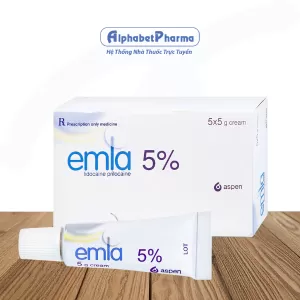
Emla 5% (5g)
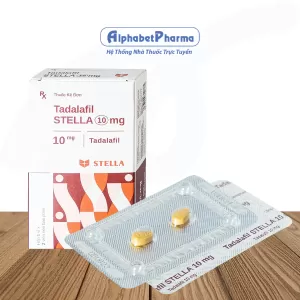
Tadalafil Stella 10mg (2 tablets/box)
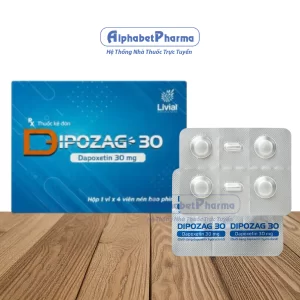
Dipozag 30mg (4 tablets/box)
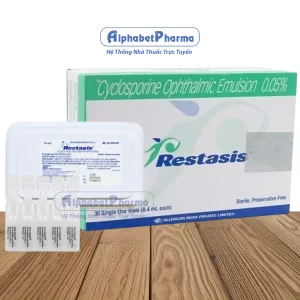
Restasis 0.05% (30 single-use vials/box)

Oscal Agi 0.6g (30 sachets/box)
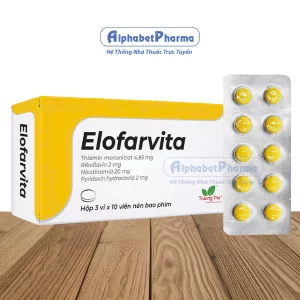
Elofarvita (3 blisters x 10 tablets/box)
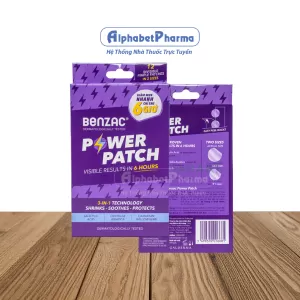
Benzac Power Patch (12 patches/box)

Benzac Blackhead Control Facial Scrub (60g)

E-ScarPatch 5cm x 7cm (8 pcs/bag)

Ozzotin Sleep Expert (10 tablets/box)
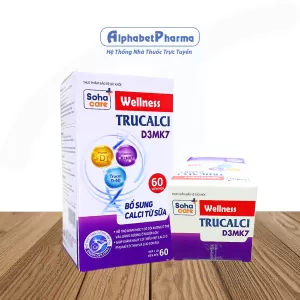
Trucalci D3MK7 Wellness (60 tablets/box)
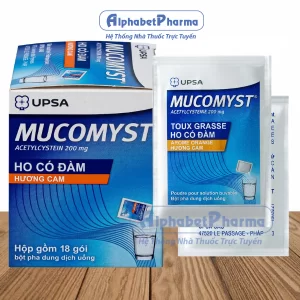
Mucomyst 200mg (18 sachets/box)
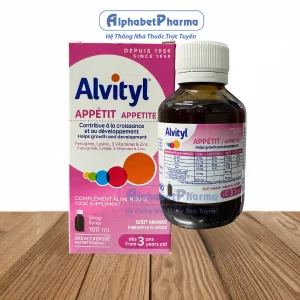
Alvityl Appetite Syrup Pineapple Flavour (100ml)

Cerave Blemish Control Cleanser (236ml)

Cetaphil Baby Wash & Shampoo With Organic Calendula (400ml)

Cetaphil Pro AD Derma Instant Relief và Moisturising Gel (59ml)

Cetaphil Pro Ad Derma Skin Restoring Moisturizer (295ml)

Benzac Purifying Cleanser (130ml)

Cetaphil Sun Kids Liposomal lotion SPF50+ (150ml)

Omega 3-6-9 Alaska Propharm (100 softgels/box)

Benzac AC gel 2.5% (30g)

Benzac AC gel 5% (30g)
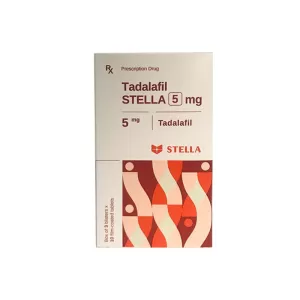
Tadalafil Stella 5mg (3 blisters x 10 tablets/box)
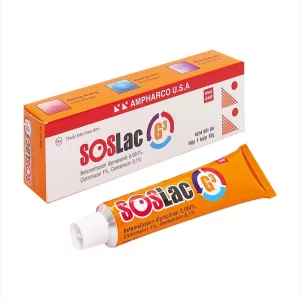
SOSLac G3 (15g)

Cetaphil Baby Gentle Wash & Shampoo (230ml)
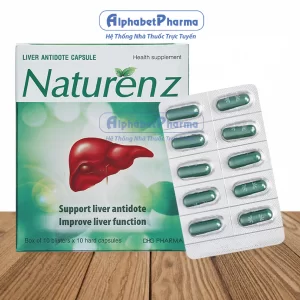
Naturen Z (10 blisters x 10 capsules/box)
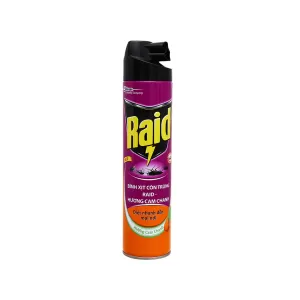
Raid Lemon Orange (600ml)
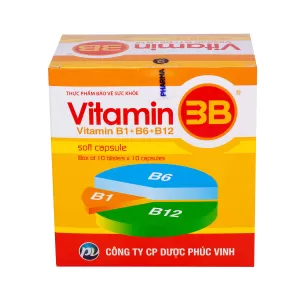
Vitamin 3B PV (10 blisters x 10 softgels/box)
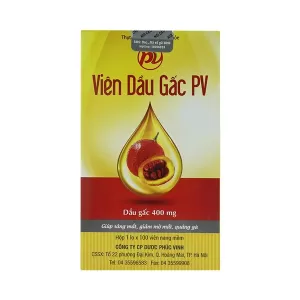
Viên dầu gấc PV (100 softgels/box)
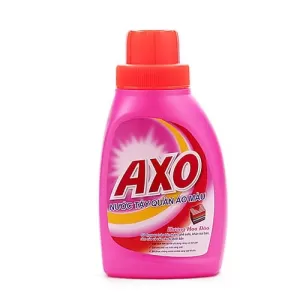
Javel Bleach AXO (400ml)

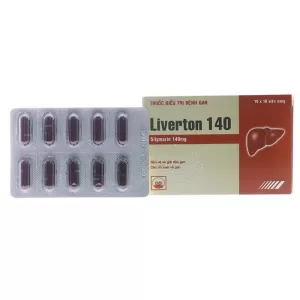
Liverton 140mg (10 blisters x 10 capsules/box)
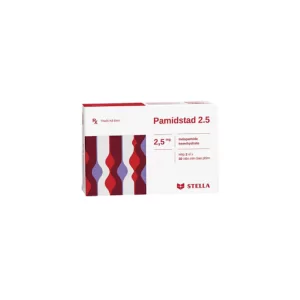
Pamidstad 2.5mg (2 blisters x 30 tablets/box)
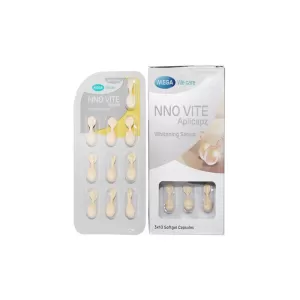
NNO Vite Aplicapz (3 blisters x 10 softgels/box)
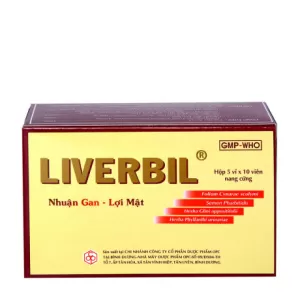
Liverbil OPC (5 blisters x 10 capsules/box)
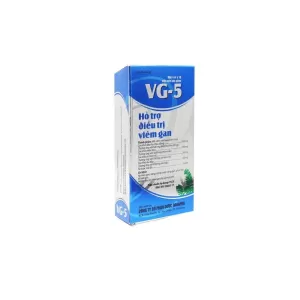
VG-5 Danapha (4 blisters x 10 tablets/box)
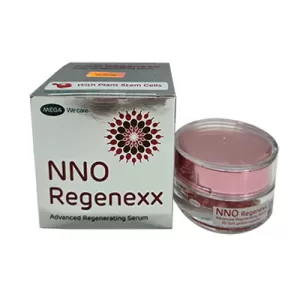
NNO Regenexx (30 softgels/box)

Cloderm cream (15g)

Beprosone Cream (15g)
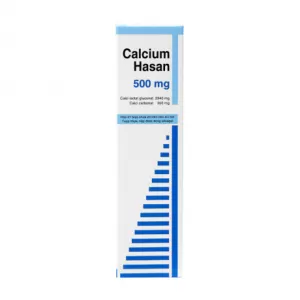
Calcium Hasan 500mg (20 effervescent tablets/tube)

Vitamin B1-B6-B12 MKP (10 blisters x 10 tablets/box)

Spasmonavin 40mg (20 blisters x 15 tablets/box)
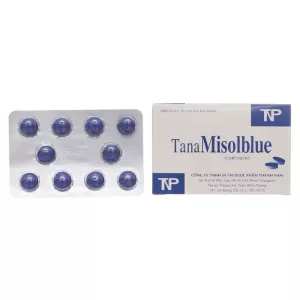
TanaMisolblue (10 blisters x 10 tablets/box)
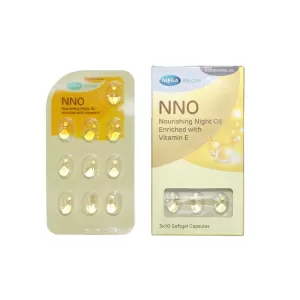
NNO Nourishing Night Oil (3 blisters x 10 softgels/box)

Cefuroxim 500mg Vidipha (10 blisters X 10 tablets/box)
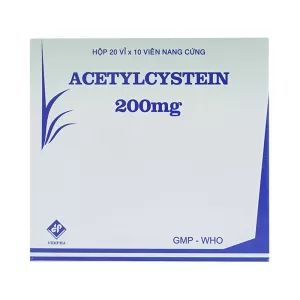
Acetylcystein 200mg Vidipha (20 blisters x 10 capsules/box)
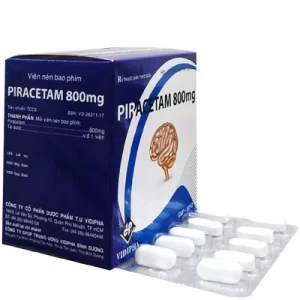
Piracetam 800mg Vidipha (10 blisters x 10 tablets/box)
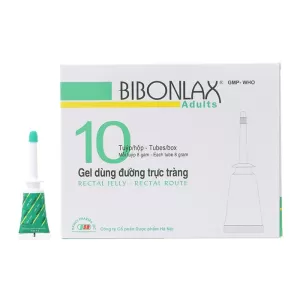
Bibonlax Adults 8g (10 tubes/box)
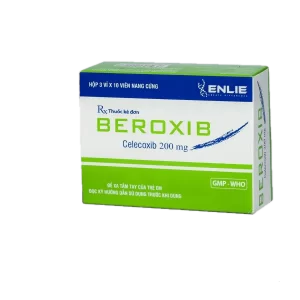
Beroxib 200mg Enlie (3 blisters x 10 capsules/box)
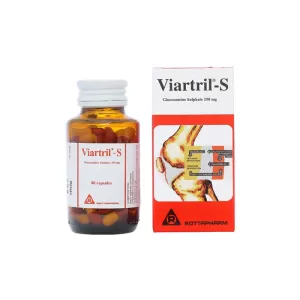
Viartril - S 250mg (80 capsules/box)
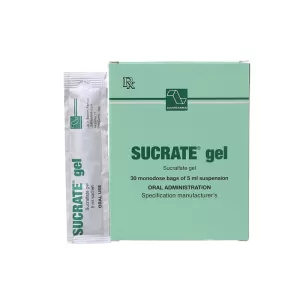
Sucrate Gel (30 sachets/box)

Adrenalin 1mg/1ml (2 blisters x 5 ampoules/box)
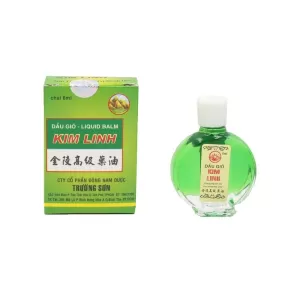
Liquid balm Kim Linh (6ml)

Unikids Zinc (50g)
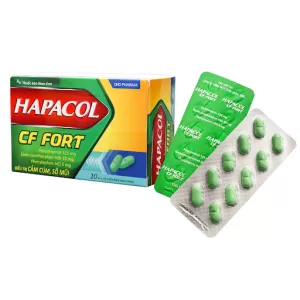
Hapacol CF Fort (10 blisters x 10 tablets/box)
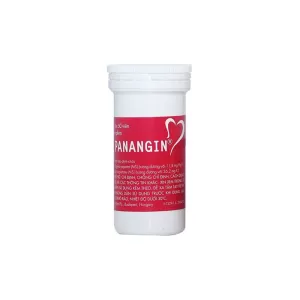
Panangin (50 tablets/box)
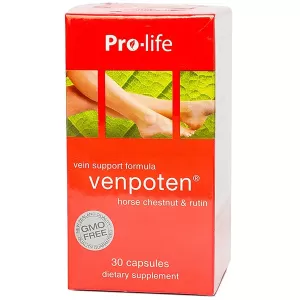
Venpoten (30 capsules/box)
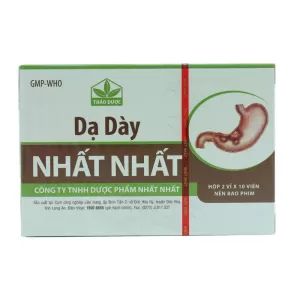
Dạ dày Nhất Nhất (2 blisters x 10 tablets/box)
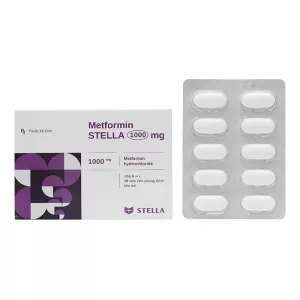
Metformin Stella 1000mg (6 blisters x 10 tablets/box)

Yumangel (20 sachets/box)
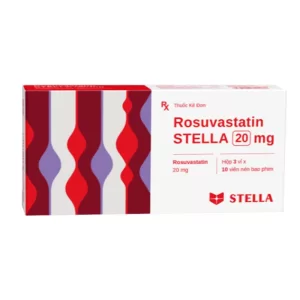
Rosuvastatin Stella 20mg (3 blisters x 10 tablets/box)
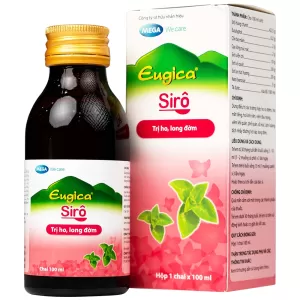
Eugica syrup (100ml)
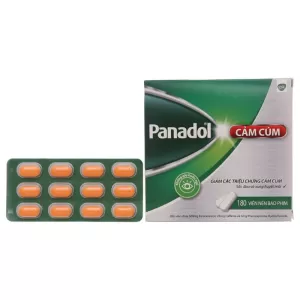
Panadol Cold Flu (15 blisters x 12 tablets/box)
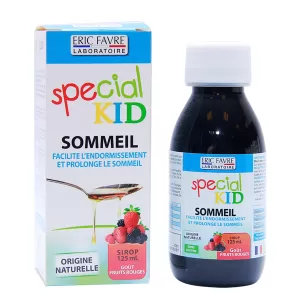

Special Kid Immunite (125ml)
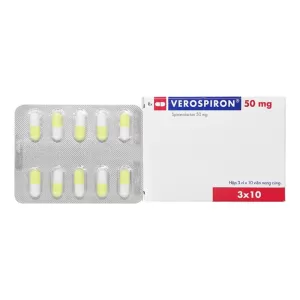
Verospiron 50mg (3 blisters x 10 capsules/box)
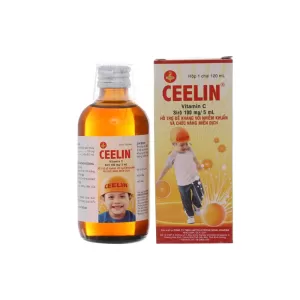
Ceelin (120ml)
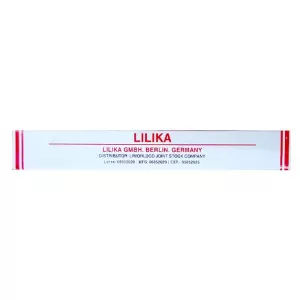
Clinical Thermometer Lilika
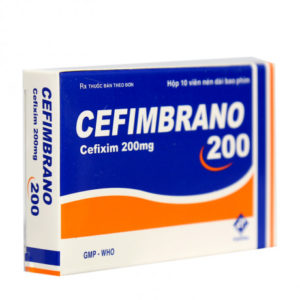
Cefimbrano 200 (10 tablets/box)
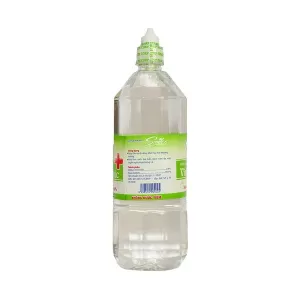
Natriclorid 0.9% Vĩnh Phúc (1710ml)
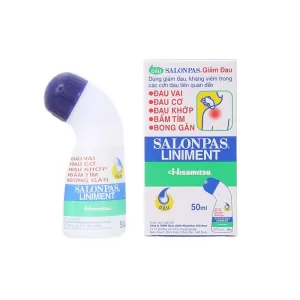
Salonpas Liniment (50ml)
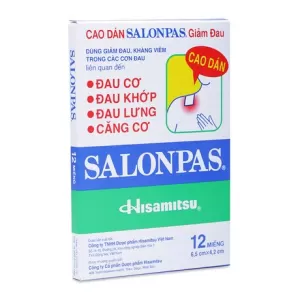
Salonpas (12 pads/box)
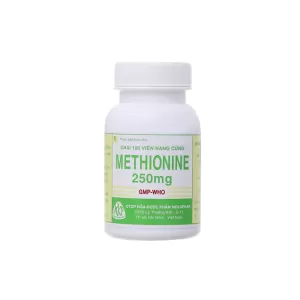
Methionine 250mg MKP (100 capsules/box)
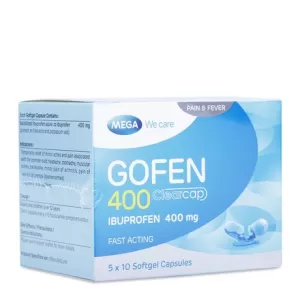
Gofen 400mg (5 blisters x 10 softgel capsules/box)

Tiger Balm White (30g)
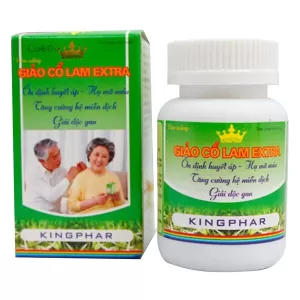
Giao Co Lam Extra Kingphar (60 capsules/box)
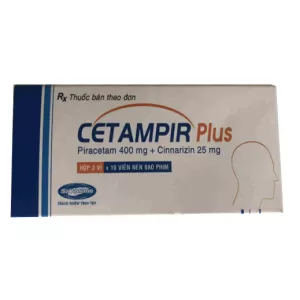
Cetampir plus (3 blisters x 10 tablets/box)
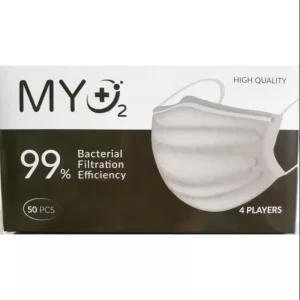
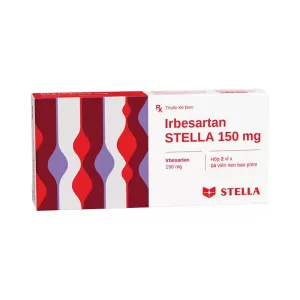
Irbesartan Stella 150mg (2 blisters x 14 tablets/box)
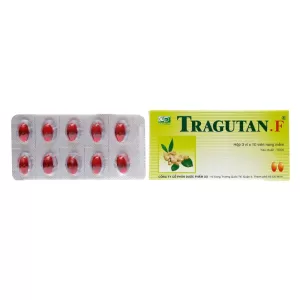
Tragutan F (3 blisters x 10 softgels/box)

Paracetamol Kabi 1000 (100ml)
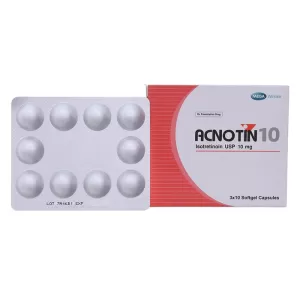
Acnotin 10mg (3 blisters x 10 softgel capsules/box)
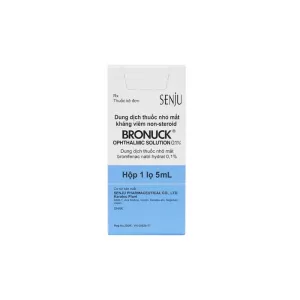
Bronuck 0.1% (5ml)
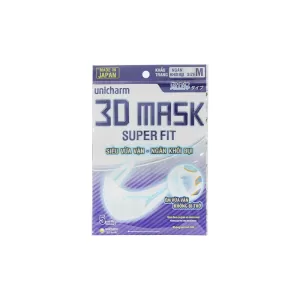
Khẩu trang Unicharm 3D Mask (5 pcs/bag)
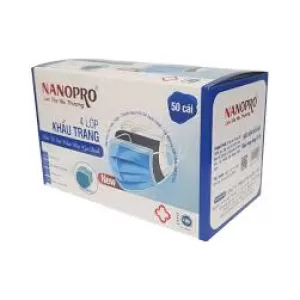
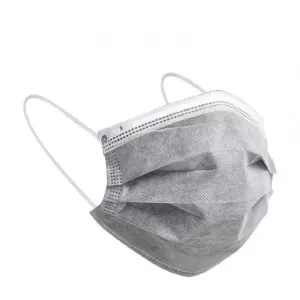

Axe Brand Inhaler (1.7g)
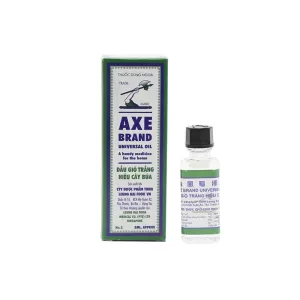
Axe Brand (5ml)

Nga Phu Khang (60 capsules/box)
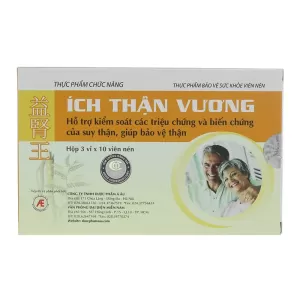
Ích Thận Vương (3 blisters x 10 tablets/box)
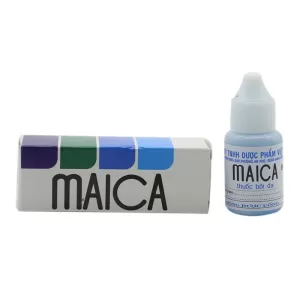
Maica (8ml)
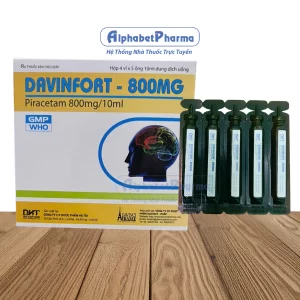
Davinfort 800mg (4 blisters x 5 ampoules/box)
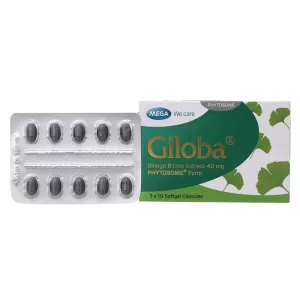
Giloba 40mg (3 blisters x 10 sofgel capsules/box)
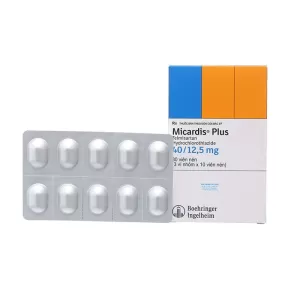
Micardis Plus 40mg/12.5mg (3 blisters x 10 tablets/box)
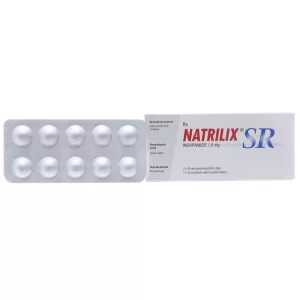
Natrilix SR 1.5mg (3 blisters x 10 tablets/box)